Legacy of Angkor Photo Festival & Workshops
Southeast Asia’s longest-running international photography event
My Own Words is a monthly series which features personal essays by practitioners in the Southeast Asian art community. They deliberate on their locality's present circumstances, articulating observations and challenges in their respective roles.
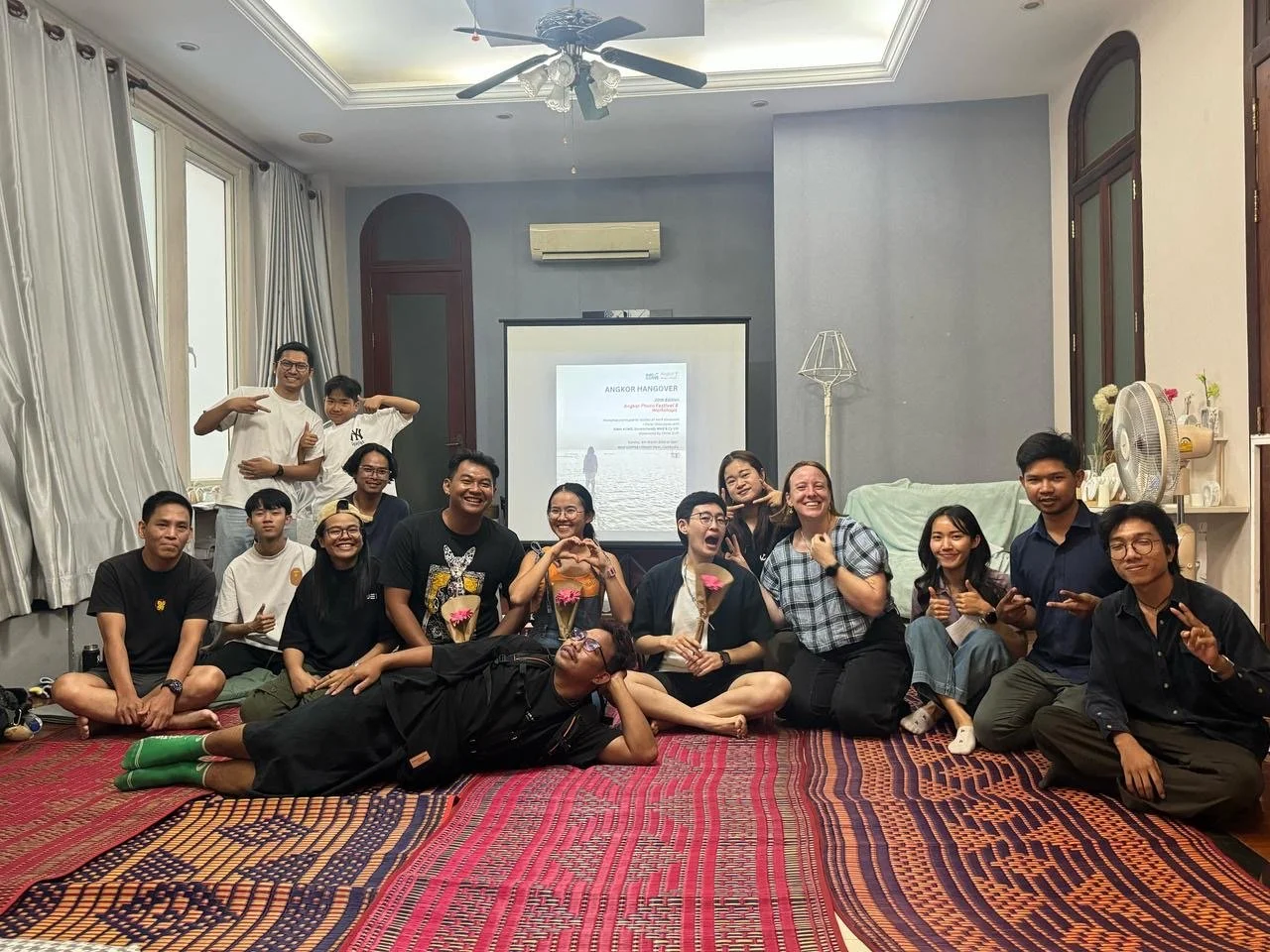
Angkor Hangover in Cambodia. Photo by Mao Sovanchandy.
Asian photography has long shaped how we see the world: its visual languages layered, diverse, and rooted in lived experience. Across the region, various initiatives have supported this evolving landscape, but few have sustained a lasting and generative impact on emerging photographers like the Angkor Photo Festival & Workshops (APFW).
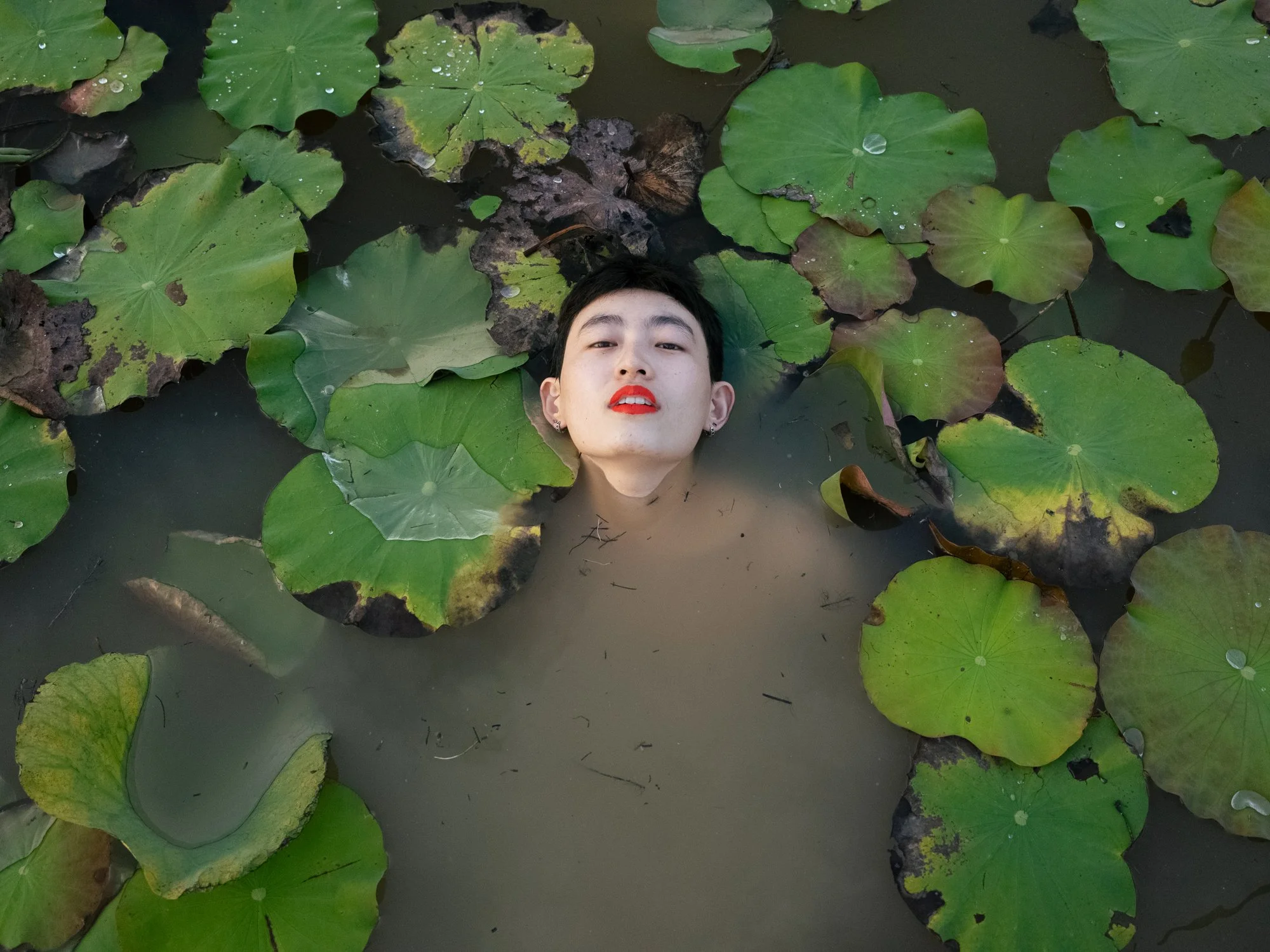
Photo by Cy Liu from his project Boy. Image courtesy of the artist.
Founded in 2005 in Siem Reap, Cambodia, APFW was conceived as a space of access, exchange, and possibility. It offers photographers across Asia not only technical development, but a framework for critical reflection and artistic risk. Its network of tutors and directors include Jessica Lim, Katrin Koenning, VJ Villafranca, Antoine d’Agata, Sean Lee, Sohrab Hura, Uma Bista, and Shwe Wutt Hmon among others. It forms a constellation of voices that challenge and guide with rigour and care.
As Southeast Asia’s longest-running international photography event, APFW has built its reputation on resisting commercial imperatives. Grounded in egalitarian values, it fosters a space where image making is driven less by market logic and more by curiosity, urgency, and sustained engagement with the human condition.
As a participant in the 20th edition in 2025, I experienced this ethos firsthand. The programme unfolded over an intensive week: daily cycles of shooting, editing, and critique, interspersed with lectures and one-on-one mentorship. Mornings began with group reviews, where images were collectively discussed and reworked. Afternoons were spent photographing across Siem Reap, while evenings were often a return to reflection and dialogue. The structure was rigorous but open-ended, encouraging participants to respond intuitively to both their surroundings and their evolving ideas.
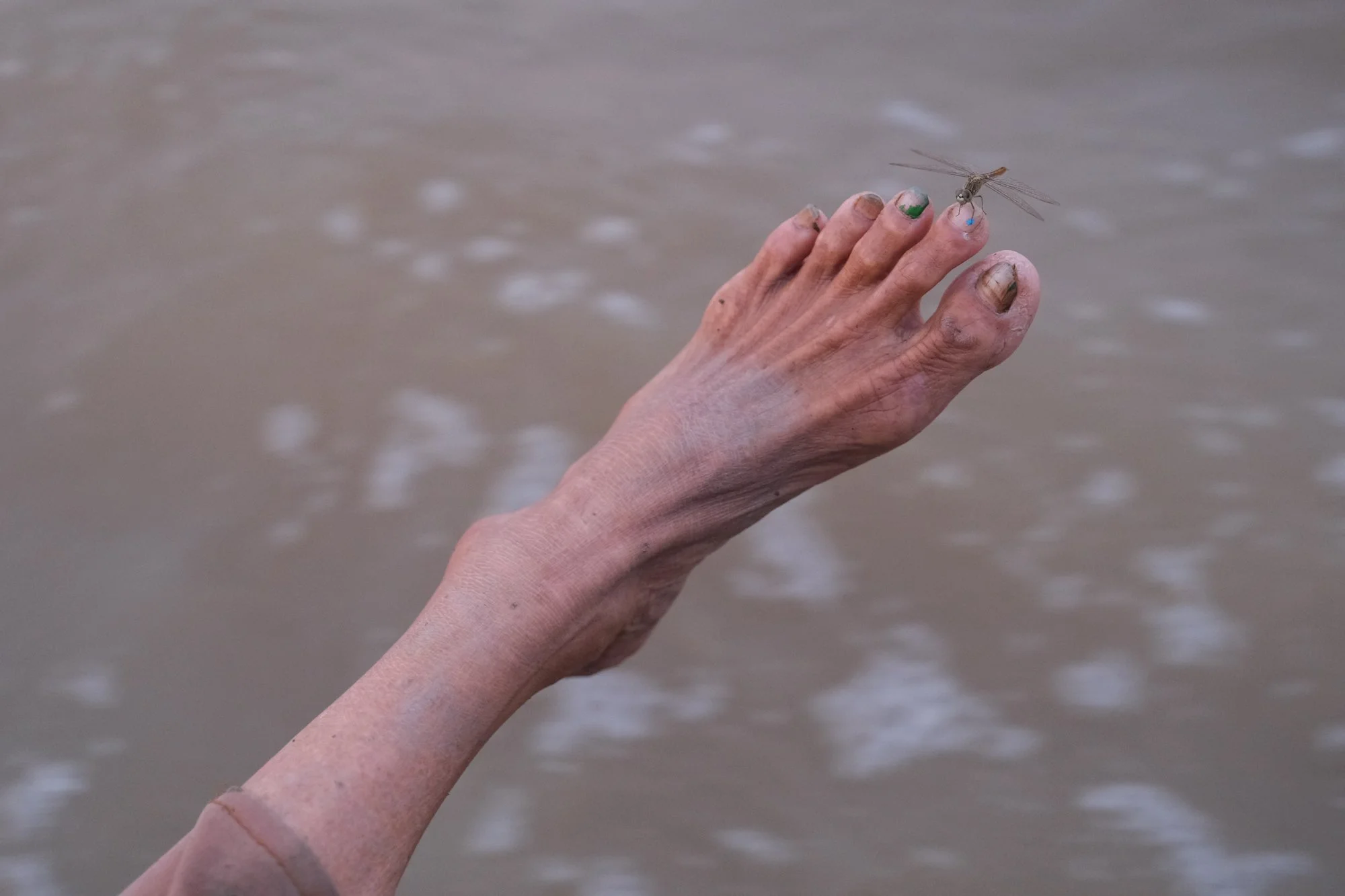
Photo by Nhan Tran from her project Places in Between. Image courtesy of the artist.
This environment cultivates a shared sense of focus and mutual support among participants. For Vietnamese photographer Nhan Tran, the workshop created “a completely focused space to make the work (she) wanted to see,” sustained by the presence of a community that offered reassurance even in silence. Similarly, Indonesian alumna Idealita Ismanto emphasised how vulnerability became integral to the process, recalling how participants supported one another through uncertainty and creative struggle. Together, these experiences point to a central strength of APFW: its ability to foster both individual clarity and collective resilience.
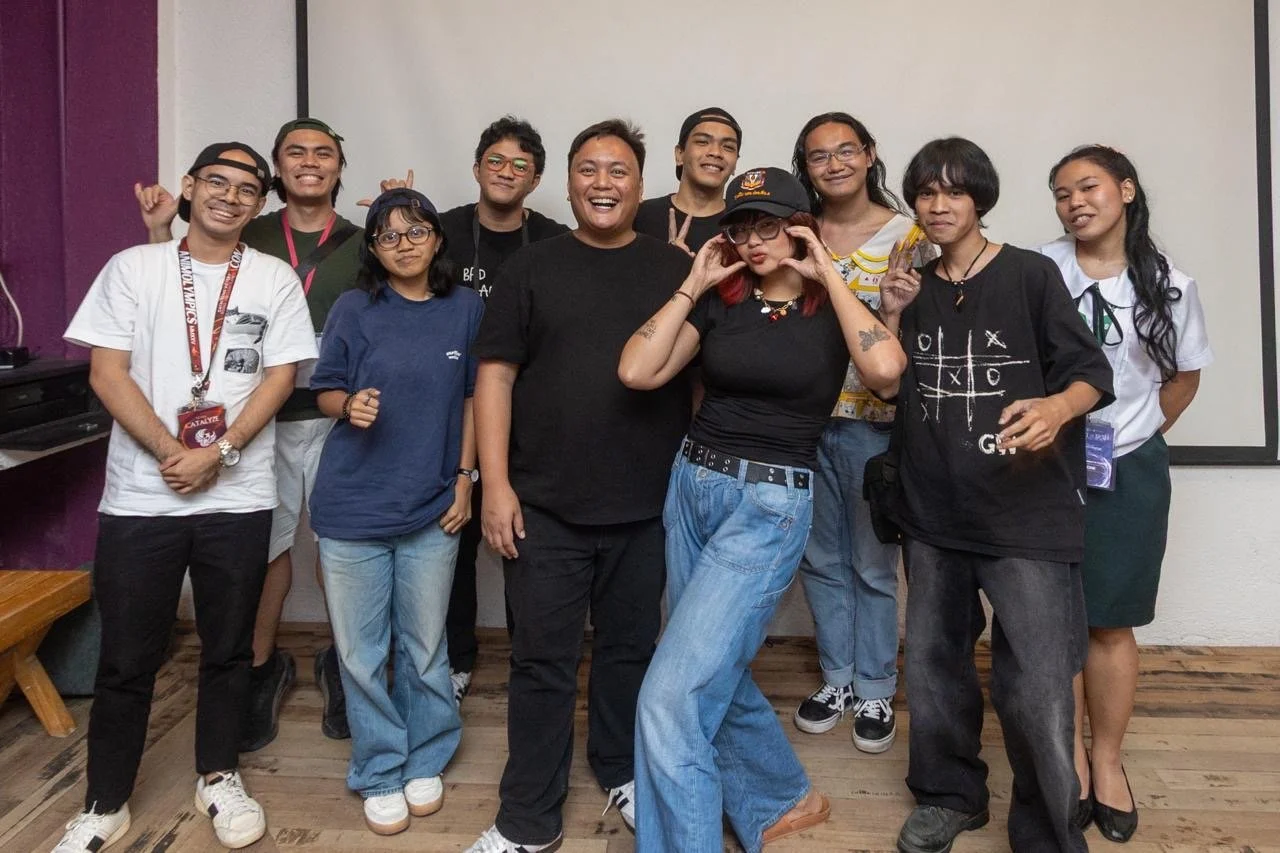
Angkor Hangover in the Philippines. Photo by Aeson Baldevia.
Moreover, it has also become a popular practice for many of the APFW alumni to organise events called Angkor Hangovers where the work made in the workshops are shown through small exhibits and slideshows in community and gallery spaces around the region. This has been a way for the alumni network to stay deeply connected and to introduce the workshops to photographers who may be interested in being involved. The 20th edition alumni organised 15 hangovers, the highest number thus far. Currently, the 21st cohort are showing their works around Vietnam, Thailand, and the Philippines.
The impact of APFW extends well beyond the workshop itself, shaping the trajectories of its alumni in tangible ways. Several have gone on to gain international recognition. Nepali photographer Arhant Shrestha received the 2024 7L Photography Grand Jury Prize and presented Loose First (2024) at Librarie 7L and Paris Photo 2025. India’s Ali Monis Naqvi was selected for the Foam Talent programme and on British Journal of Photography’s “Ones to Watch 2023”. Thai photographer Natthaya Thaidecha participated in the 2025 Joop Swart Masterclass, presenting May the Matter Rest (2025). These achievements reflect not only individual talent, but the sustained influence of a platform that prioritises long-term development over immediate visibility. These are achievements that are just at the tip of the iceberg, as many more Angkor alumni are constantly raising the bar in the world of visual storytelling.
“The impact of APFW extends well beyond the workshop itself, shaping the trajectories of its alumni in tangible ways. Several have gone on to gain international recognition.”
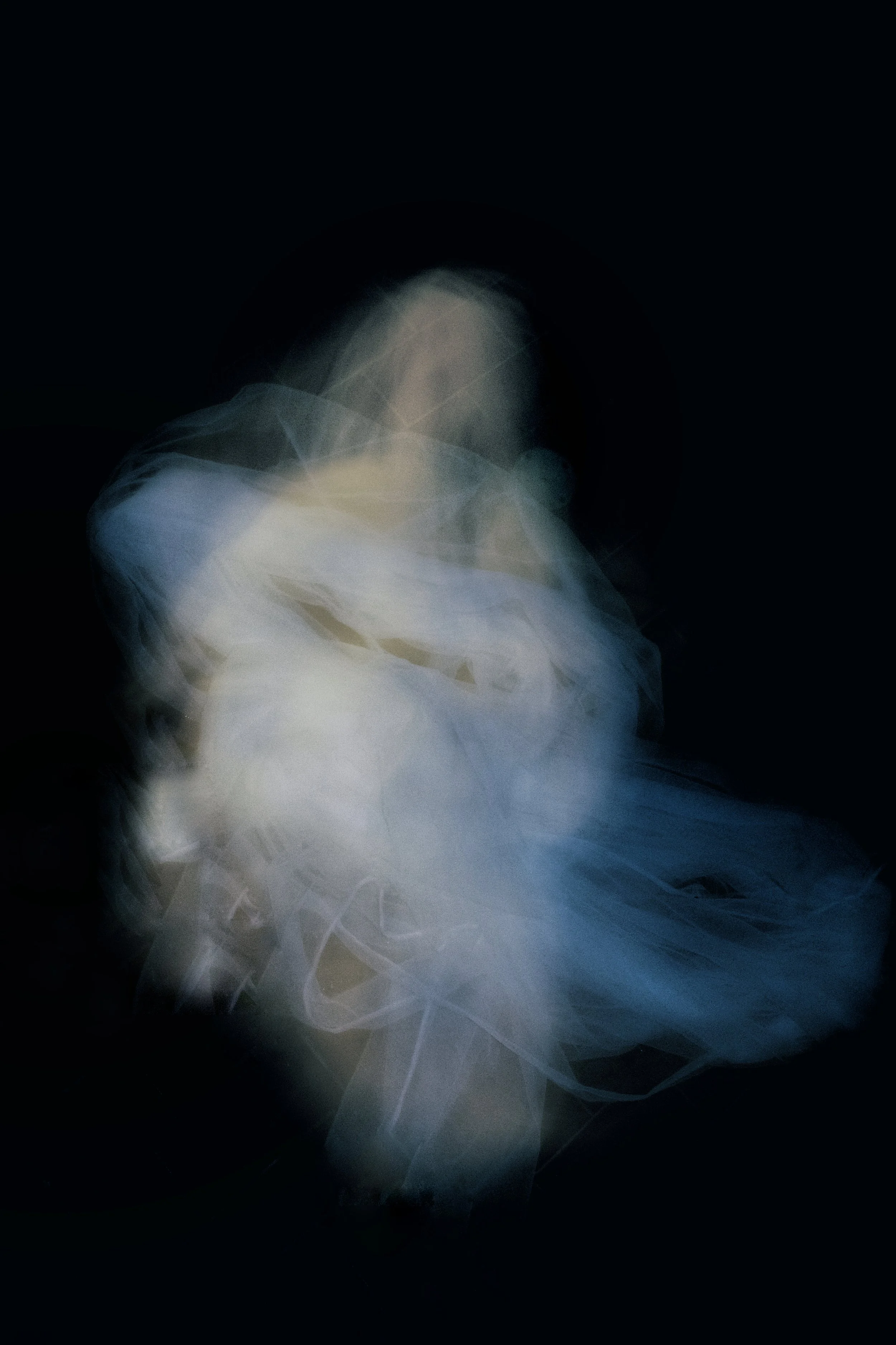
Photo by Ian Babista from his project Map of Longing. Image courtesy of the artist.
Yet the continued existence of such a space depends on sustained forms of support. Across Asia, photographers still face limited access to funding, mentorship, and platforms for presentation. As Nepali photographer Sushila Bishwakarma notes, what remains most urgent is “support, funding, mentorship, and opportunities to present work,” particularly for underrepresented voices. Echoing this, Filipino photographer Ian Babista underscores the importance of platforms that enable visibility and exchange, stressing that without them, many stories across the region remain unheard.
APFW has responded to these challenges by maintaining its tuition-free model and prioritising accessibility for photographers across Asia. Its emphasis on mentorship, cross-cultural dialogue, and community-building directly addresses the gaps identified by its participants and alumni. Rather than positioning itself as a gatekeeping institution, it operates as a porous and responsive space and one that evolves through the needs of those it serves.
“APFW has responded to these challenges by maintaining its tuition-free model and prioritising accessibility for photographers across Asia.”
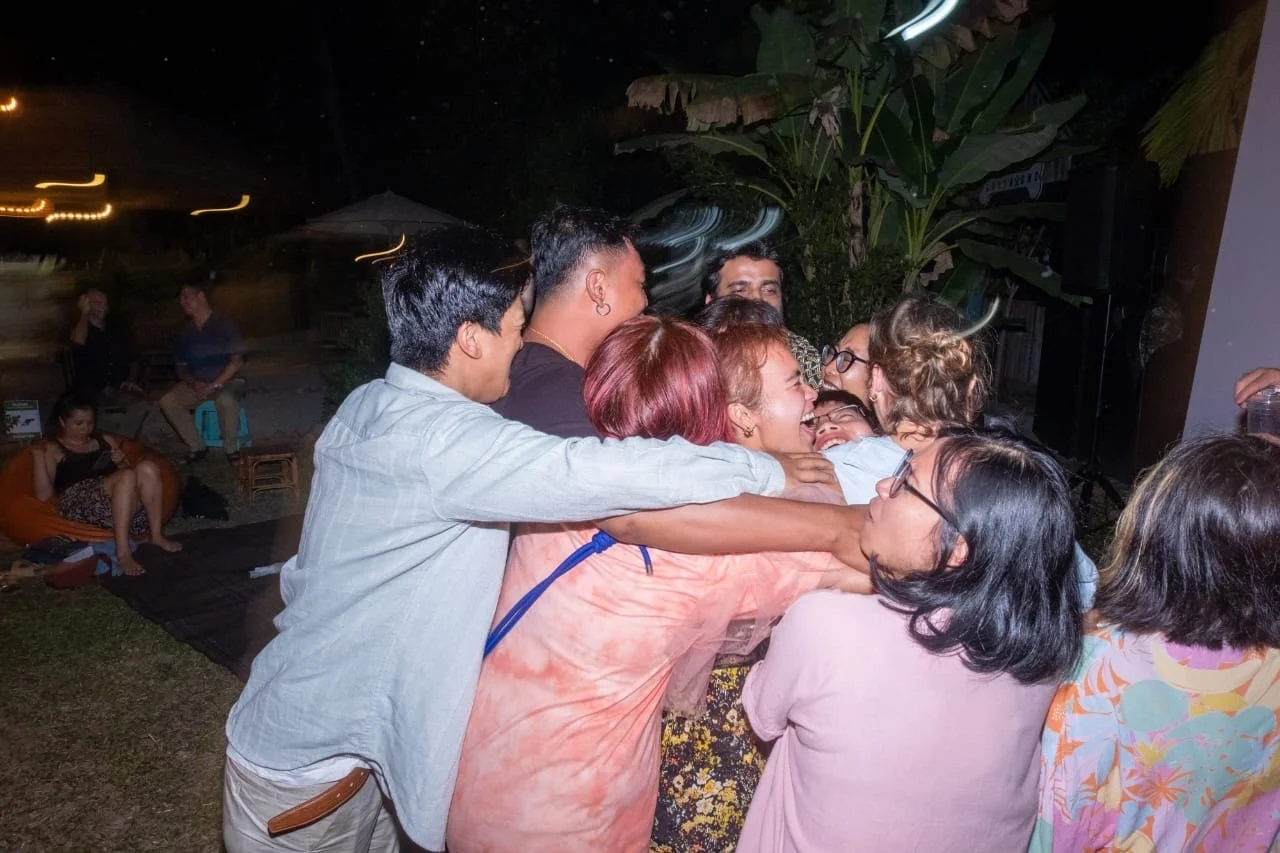
20th Angkor Photo Workshops participants in the slideshow showcase in Siem Reap, February 2025. Photo by Aeson Baldevia.
In many ways, the significance of APFW lies not only in the images produced during the workshop, but in the practices and relationships that continue long after it ends. Its legacy is carried forward by its participants through their work, their communities, and their ongoing engagements with the medium.
To sustain an ecosystem like this requires more than recognition. It calls for active participation, advocacy, and collective responsibility. As photography continues to expand across contexts and disciplines, the structures that support it must also adapt. Ensuring the future of APFW means preserving its core commitments: openness, experimentation, and care.
For more information about Angkor Photography Festival and Workshop and to support the programme, click here.