April 2026 Round-Up
MAIELIE, ShanghART Singapore, De’ Lapae Art Space, UP Vargas Museum, Cemeti – Institute for Art and Society
Can’t We Recant?
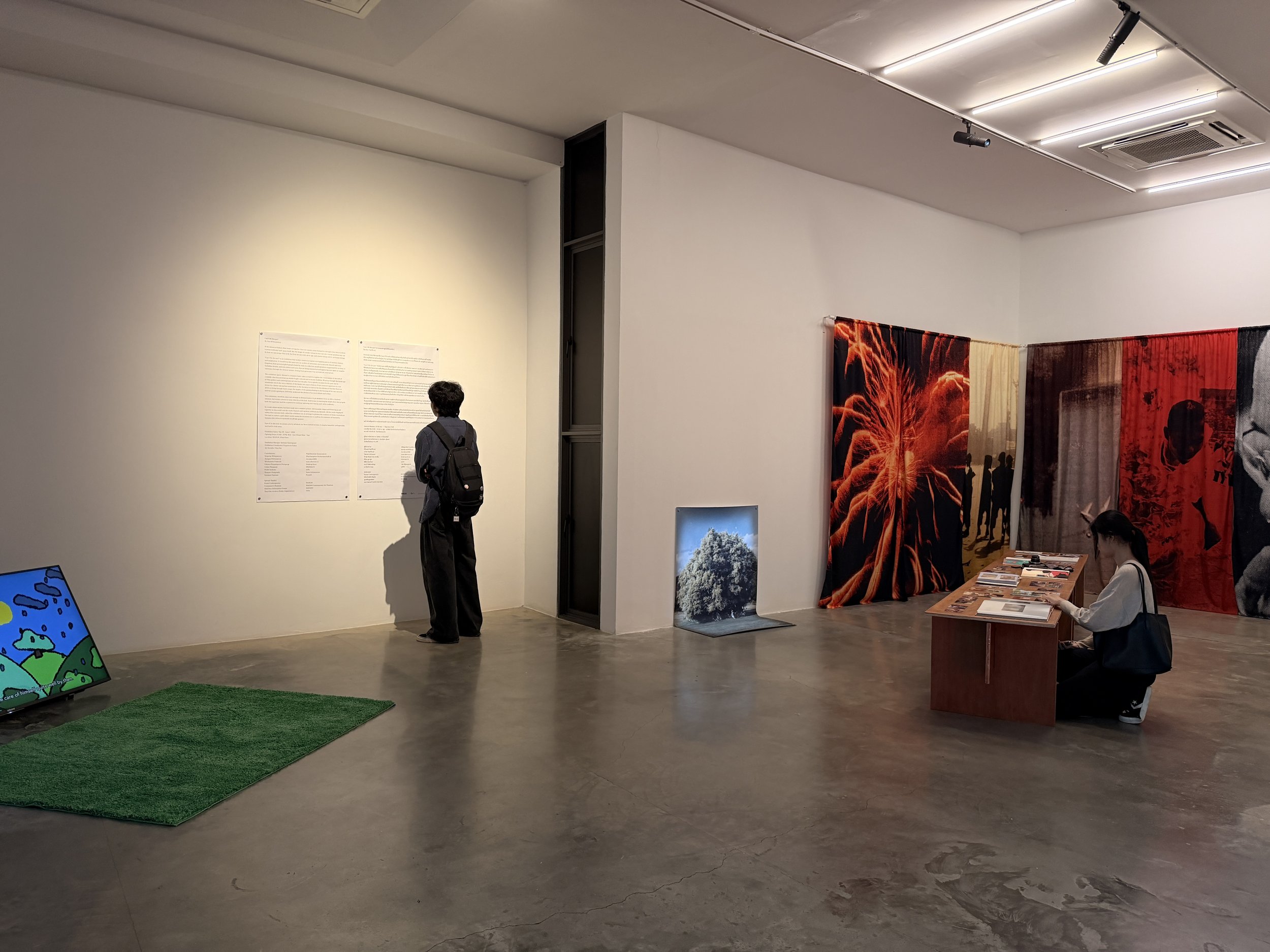
Installation view of Can’t We Recant? at MAIELIE. Image courtesy of MAIELIE.
Can’t We Recant? is a travelling solo exhibition by artist Sina Wittayawiroj, first shown at Kinjai Contemporary in Bangkok and now at MAIELIE till June. Wittayawiroj invites audiences to explore the construction of self through the lens of a middle-class boy growing up amidst fragile cultural and economic conditions. Using historical artefacts, sculpture and video installations, the works wind through the landscape of Thai politics and contemporary art over four decades. The exhibition will next be presented at MAIIAM Contemporary Art Museum in Chiang Mai at the end of 2026
Can’t We Recant? is on view at MAIELIE, Khon Kaen, Thailand from 20 March until 7 June 2026. More information here.
Everyday We Create Histories

Melati Suryodarmo, Home 4, 2018, screenprint with charcoal powder on Stonehenge 320gsm paper, 77.5 x 112cm. Image courtesy of the artist and ShanghART Singapore.
Everyday We Create Histories brings together the works of nine artists who offer different ways of questioning history, including Lai Yu Tong, Arin Rungjang, Melati Suryodarmo and Boedi Widjaja. Spanning painting, photography, sculpture, and animation, the exhibition positions artists as observers of the past and artmaking as an act of resistance. Audiences are invited to reconsider their roles as active participants in the construction of the past.
Everyday We Create Histories is on display at ShanghART, Singapore until 30 April 2026. More information here.
The Memories of Individual Memories
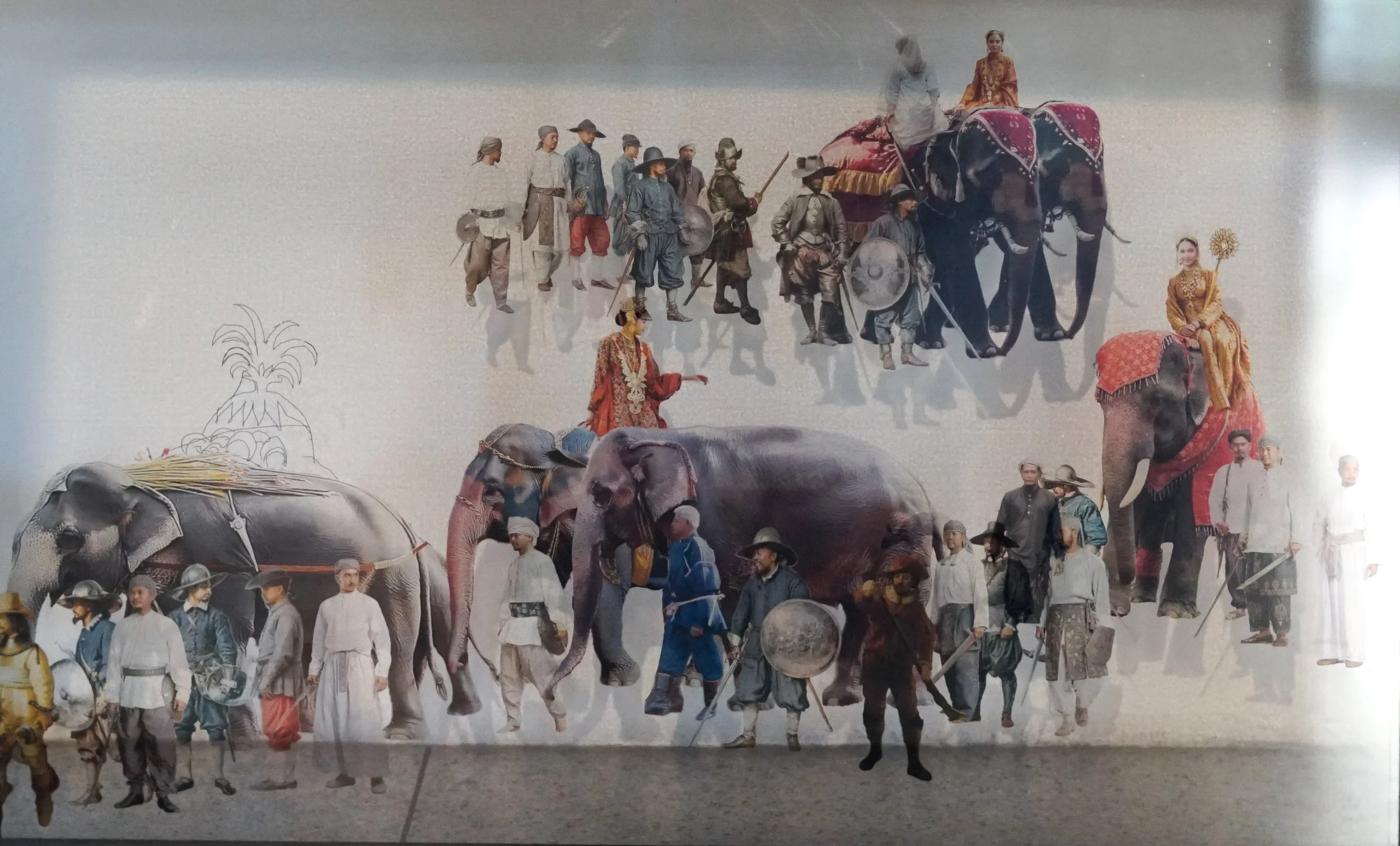
Prach Pimarnman, Royal Parade, 2025, digital print on acrylic, 150 x 90cm. Image courtesy of the artist.
Prach Pimarnman’s solo exhibition The Memories of Individual Memories at De’ Lapae Art Space explores the intersections of personal trauma with the multicultural history of the Patani region. Once a land that thrived on its maritime trade and diverse communities, the area has been marked since with ongoing unrest. Pimarnman’s works speak to emotional archives and broader global discourses on decolonisation, affirming the identity and spirit of Patani’s people amidst their struggles.
The Memories of Individual Memories is on view at De’ Lapae Art Space, Narathiwat, Thailand until 30 September 2026. More information here.
Reshoot to Reconstruct

Su Hui-yu, Future Shock, 2019, three-channel installation, colour/sound, 19m 34s. Image courtesy of UP Vargas Museum and the artist.
Curated by Tessa Maria Guazon, this solo exhibition by Taiwanese artist Su Hui-yu seeks to recast periods of repression and censorship through filmic language that vex the lines between reality and fantasy. Four moving image projects will be showcased: Future Shock (2019), The Woman’s Revenge (2020), The Trio Hall (2023), and The Space Warriors and the Digigrave (2025). They explore mass media, pop culture, and the postcolonial histories of Taiwan and East Asia through an aesthetic strategy the artist calls “reshooting”. In this restaging of the artist’s multi-media projects, the exhibition highlights the lush, vibrant theatres of Su’s narratives sharpened by speculation.
Reshoot to Reconstruct is up for view at UP Vargas Museum, Quezon City, Philippines from 21 March to May 2026 (end date is unconfirmed). More information here.
Harta yang Paling Berharga Adalah Keluarga
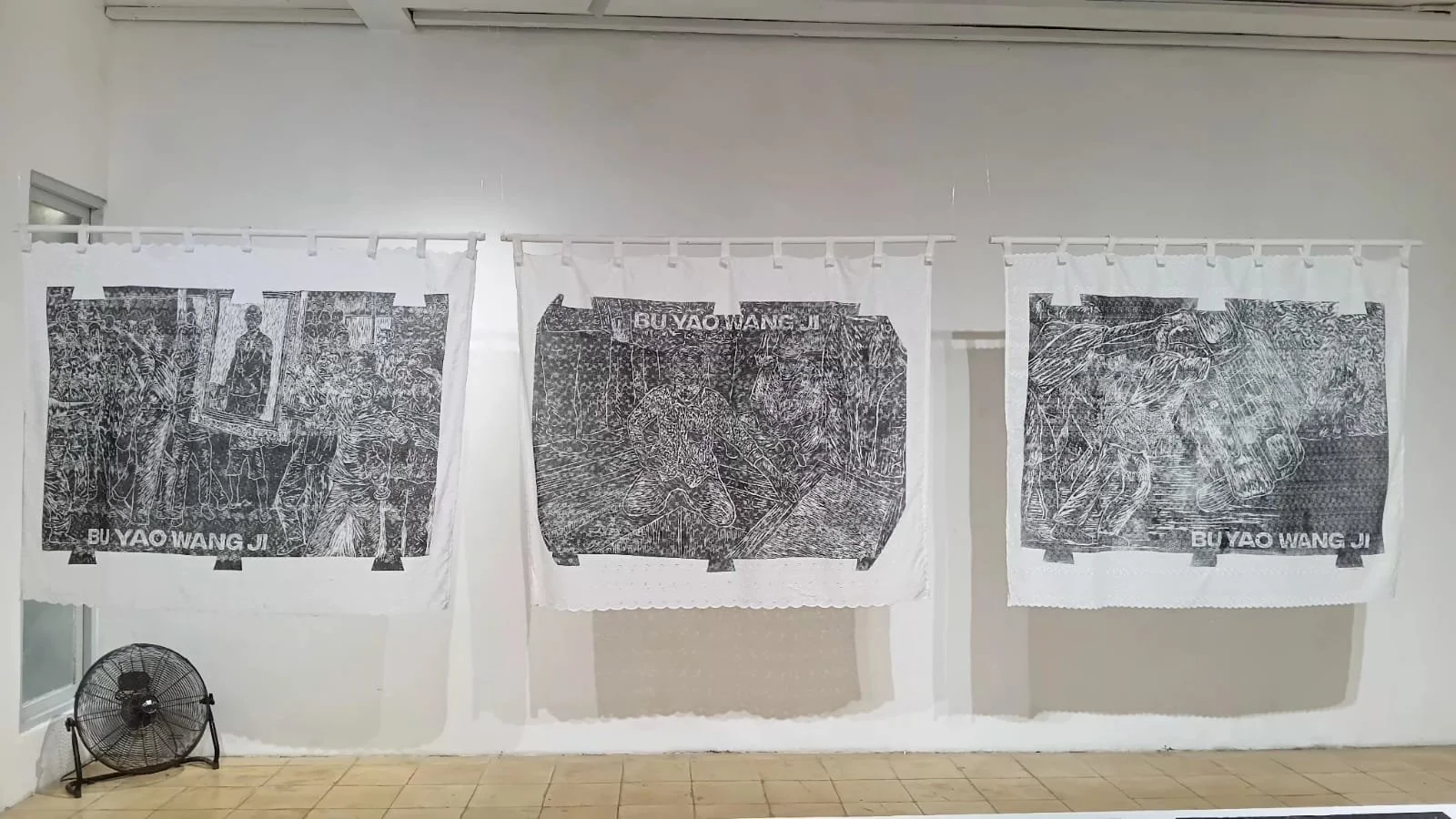
Photograph by Vandy Rattana, 70 x 100cm. Image courtesy of Vandy Rattana.
Harta yang Paling Berharga Adalah Keluarga means “Family is the Greatest Wealth” and takes cues from the soundtrack of the Keluarga Cemara (Cemara’s Family) television series. Featuring works by Nindityo Adipurnomo and Agung Kurniawan, the exhibition constructs a field of tension where the notion of “family” assumes a double valence of refuge and instrument of power. Adipurnomo’s Dinasti (Dynasty) series allegorises family structures to political organisms, while Kurniawan grounds his depiction of the family in memories and the cyclical nature of historical conditions. What emerges ultimately is the family construct as understood through the systems it operates.
Harta yang Paling Berharga Adalah Keluarga is on view at Cemeti – Institute for Art and Society, Yogyakarta, Indonesia until 18 April 2026. More information here.