
Art x Business: Alison McDonald, Gagosian
On publishing and engaging audiences on every platform
This article is part of Art & Market’s coverage beyond Southeast Asia. If you would like to work with us to reach audiences from the region, please email us at info@from-the-margins.org.
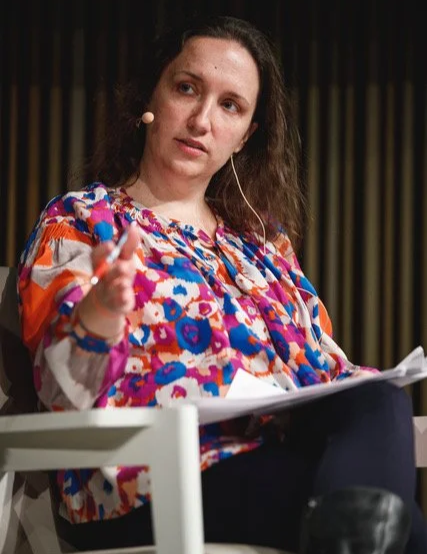
Alison McDonald, Chief Creative Officer at Gagosian. Image courtesy of Demo Gallery. Copyright The Artist.
Alison McDonald is Chief Creative Officer at Gagosian and has overseen marketing and publications at the gallery since 2002. In the last four decades, Gagosian has developed an extensive publishing programme which includes exhibition catalogues, catalogues raisonnés, monographs, and a quarterly magazine. The same editorial ethos is carried through into their digital content across different platforms. In this conversation, McDonald talks about Gagosian’s approach to storytelling, key moments in her tenure and the art media landscape.
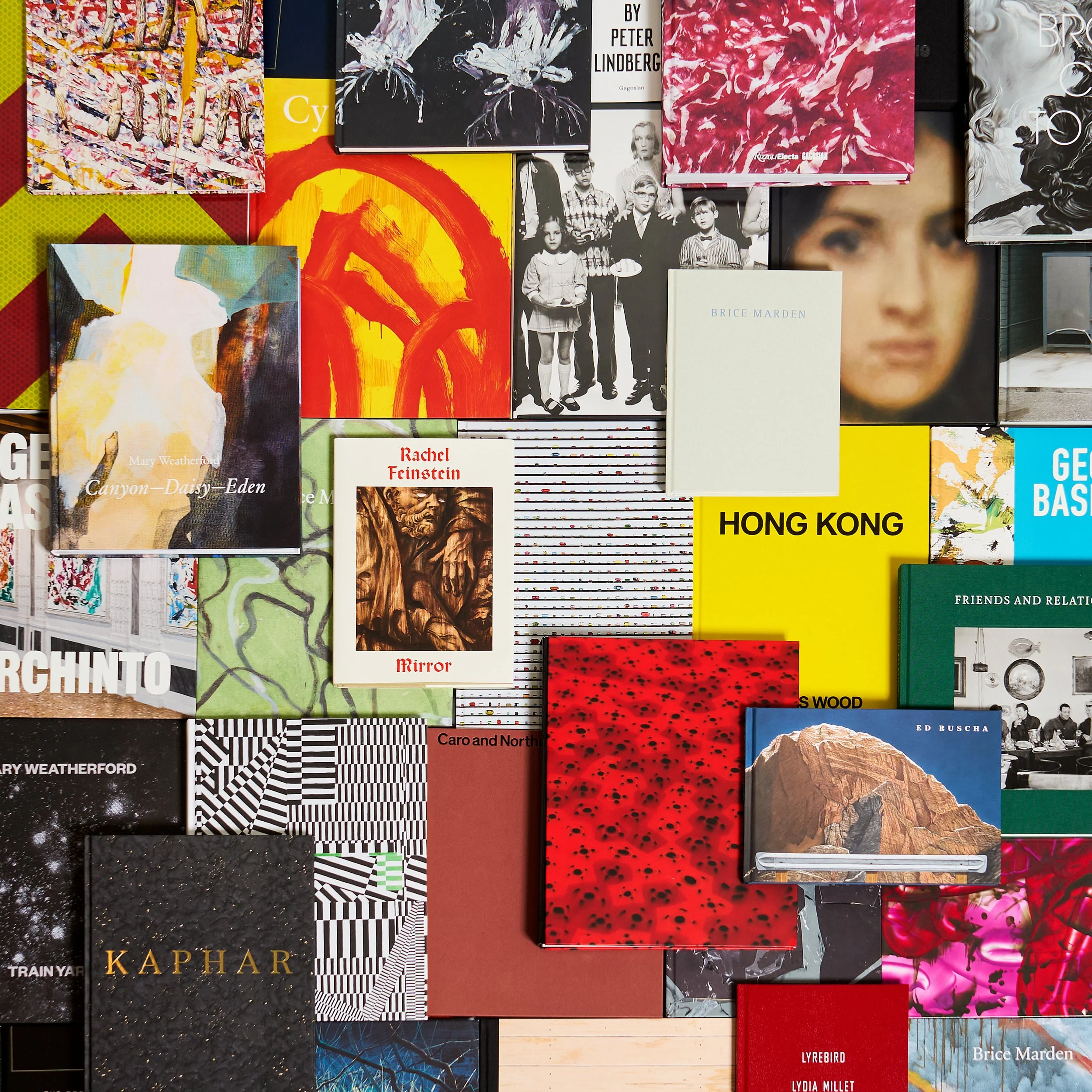
Gagosian publications. Photo by Mauricio Zelaya. Image courtesy of Gagosian.
Could you share a major turning point in Gagosian since you joined in 2002?
Publishing has always been important to the gallery, in fact Larry Gagosian started making books focused on his artists as early as 1986. While historical galleries were also publishers, I think it is fair to say that his interest has subsequently inspired many gallerists today to invest in publishing as a way to support their artists.
That being said, one of the most unexpected turning points was during the COVID-19 pandemic, when we were able to pivot our editorial team in creative ways to engage audiences during the global shutdowns. Combining those efforts with our expertise in the online sales marketplace kept the business going. Later, when things started to open up in different regions, but travel was restricted, we found creative ways to connect with international audiences who were unable to make the trip to see our gallery shows in person. We moved our storytelling efforts onto video platforms and recreated the spirit of an opening with musical performances, artist studio visits, and a live-streamed chat. There was excitement and anticipation in the air again, which was a welcome relief at the time.

Vittoria Ciaraldi and Shiori Kawasaki of the Gagosian publishing team with a Takashi Murakami poster. Image courtesy of Gagosian.

John Elderfield, Frankenthaler (New York: Gagosian, in collaboration with Helen Frankenthaler Foundation, 2024). Artwork © 2026 Helen Frankenthaler Foundation, Inc./Artists Rights Society (ARS), New York. Image courtesy of Gagosian.
What is the size of your team today? And how is it organised in terms of roles, geography etc.?
In many ways, the publishing team is integrated with colleagues across the gallery, from research to photography, and from curators to artist liaisons. Our efforts include monographs, artist books, the Quarterly magazine, online videos, social media platforms, and more. While the editorial, creative, and marketing teams are primarily based in New York and tend to have five or fewer members each, we are grateful to collaborate with colleagues in different departments internationally.
Could you talk about the process of working with colleagues in Gagosian’s research and exhibition teams as well as artist studios on publications? What are guiding principles or frameworks that have worked well?
With every publication, the art and the artist lead. We start with the work itself: what is the best way to convey the artist’s intentions, and is there a context that would help readers better understand the work? Questions like these help us determine what elements are needed to create a framework. For instance, finding the best author is critical, but also photography plays an important role. As we need to provide readers with beautiful, detailed images that allow for an experience as close as possible to seeing the work itself. After the exhibitions close, our books remain, so they need to stand the test of time and provide for longer, more contemplative reviews.
“After the exhibitions close, our books remain, so they need to stand the test of time and provide for longer, more contemplative reviews.”

Fall 2023 issue of Gagosian Quarterly, featuring Derrick Adams’s Everything and a Ring (2023) on the cover. Artwork © Derrick Adams Studio. Photo by Mauricio Zelaya, image courtesy of Gagosian.
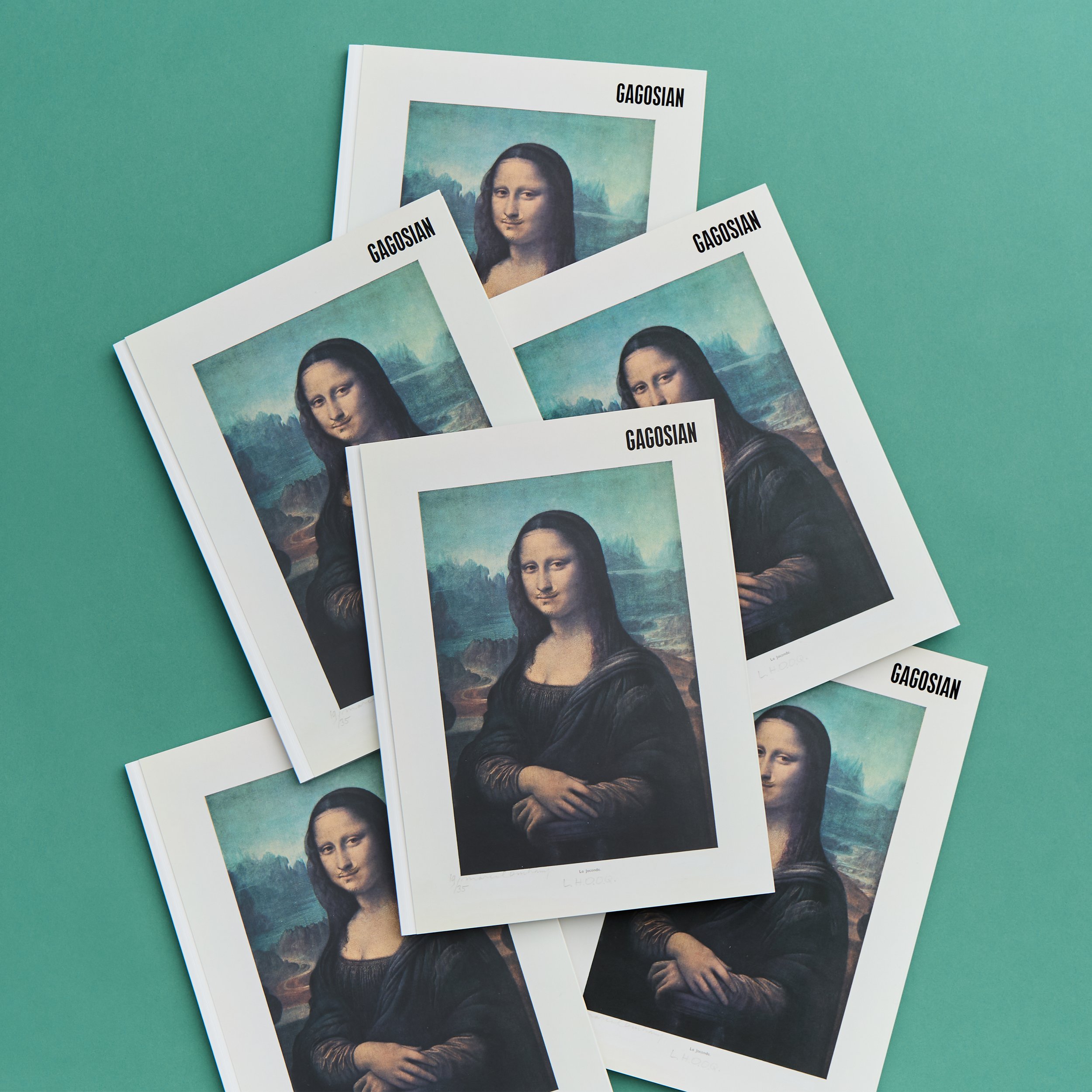
Spring 2026 issue of Gagosian Quarterly, featuring Marcel Duchamp’s L.H.O.O.Q. (1964) on the cover. Artwork © Succession Marcel Duchamp/ADAGP, Paris/Artists Rights Society (ARS), New York. Photo by Mauricio Zelaya, image courtesy of Gagosian.
What is the editorial strategy when it comes to engaging collectors and audiences online and in-person?
There is no single editorial strategy for engaging audiences, but I will say that we have to meet people where they are in ways that feel accessible to them in the moment. As such, all of our storytelling exists on a continuum. For our social media platforms, that is short storytelling for a very large audience, video performs particularly well. For our Quarterly magazine, we create long-form features with a tight selection of gripping images that we hope leaves the reader wanting to learn more. For our books, we want an in-depth, definitive account that is well-researched and scholarly because someone might pick up that publication decades from now. Or perhaps the answer is more simple: we try our best to engage our audience in every platform just enough that they leave with more information or fascination about the art and artist.
“There is no single editorial strategy for engaging audiences, but I will say that we have to meet people where they are in ways that feel accessible to them in the moment.”
Gagosian Quarterly initially focused on the gallery’s programme and artists and has since broadened into literature, architecture, fashion, music etc. What are the considerations behind this evolution? And what function does the magazine serve within the Gagosian brand?
All of the visual arts are part of a wider ecosystem. Art is not made in a bubble, it reacts to history, nature, literature, poetry, film, fashion, music, and so on. Similarly, our audience is interested in other creative disciplines, and we want Gagosian Quarterly to be full of unexpected surprises. Our coverage outside of the traditional visual arts is one of the things that sets our magazine apart from others in the arts media landscape. We hope that offering this variety makes each issue more dynamic and captivating.
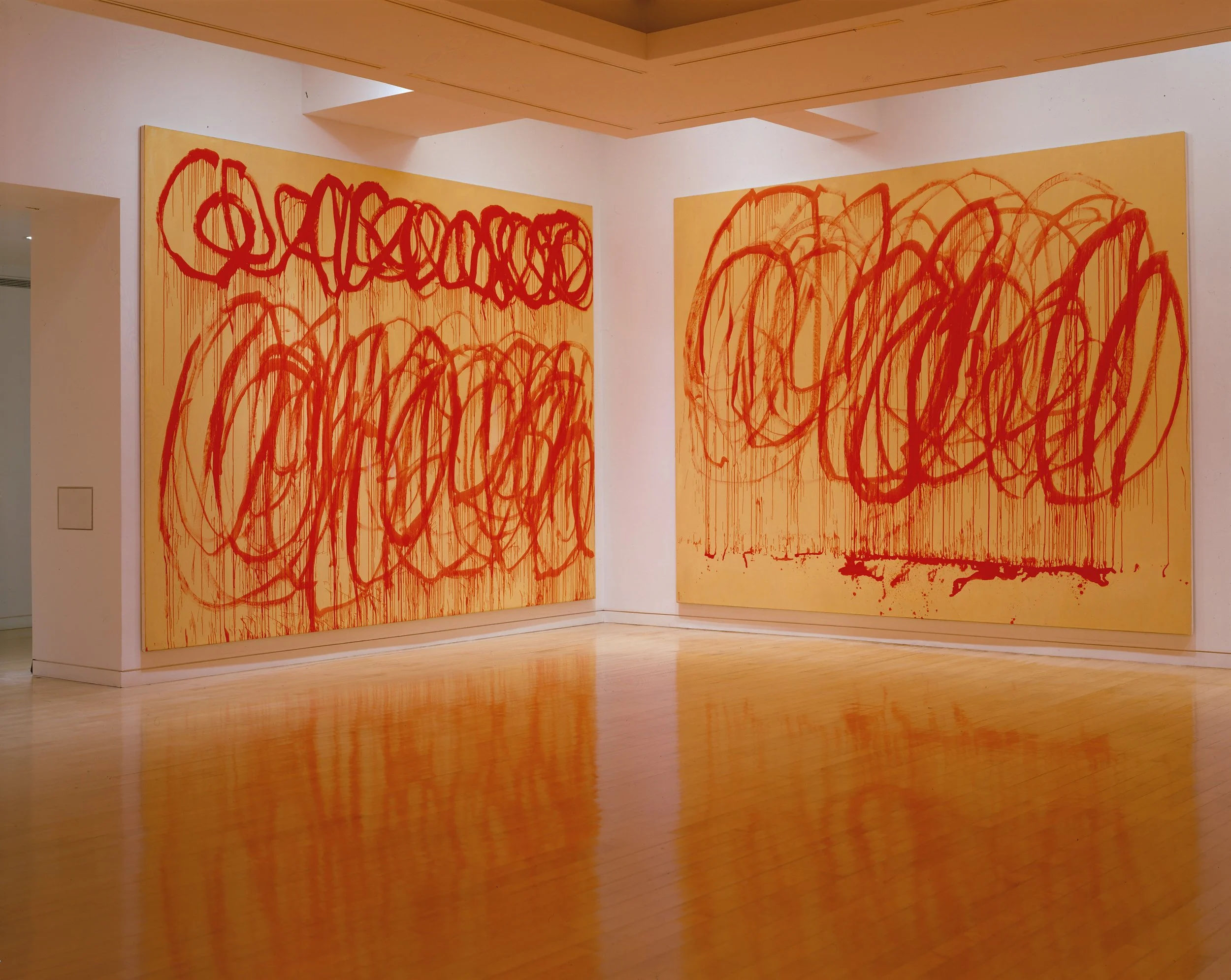
Cy Twombly, Bacchus, 2005, exhibition installation view at Gagosian, 980 Madison Avenue, New York. Artwork © Cy Twombly Foundation. Image courtesy of Gagosian.
What was one core memory or interaction from your time at Gagosian?
One of my favorite moments was in 2005, when the gallery presented a new series of paintings by Cy Twombly titled Bacchus. The show was hosted in New York, at the uptown location where I am still working. I will never forget the first moment that I saw the paintings. Cy had painted the show specifically for that gallery and the canvases filled the room so precisely that they had to be rolled up for transportation and later stretched inside the space. The vibrant red colour immediately jumped off the fleshy ground and out at the viewer, spilling onto the pale wooden floor. An intense energy poured out of the paintings; it felt both like a jubilant celebration and a bloody scene you might encounter in the aftermath of war. The walls radiated, engulfing anyone who entered. When one spent time with the paintings, other means of reading the works revealed themselves, such as the way the strokes referenced writing, or the way the series built in intensity. It was a revelation for me of how masterful Cy was as a painter.
What are the recent shifts or trends you observed in the art media landscape?
As with the wider media landscape, art-focused titles are feeling a variety of pressures. They need to adapt to rising costs in printing and shipping, accommodate the demands related to online publishing such quick turn-arounds, high impressions, etc., navigate the complexities of having a distinct voice in a complicated political landscape, and stay on top of advancements in technology, all while working within tight budgets. In the past few years, quite a few shifts in ownership have happened for art-focused magazines. It will be interesting to see how these shifts develop going forward, but strong, focused criticism will always be essential.
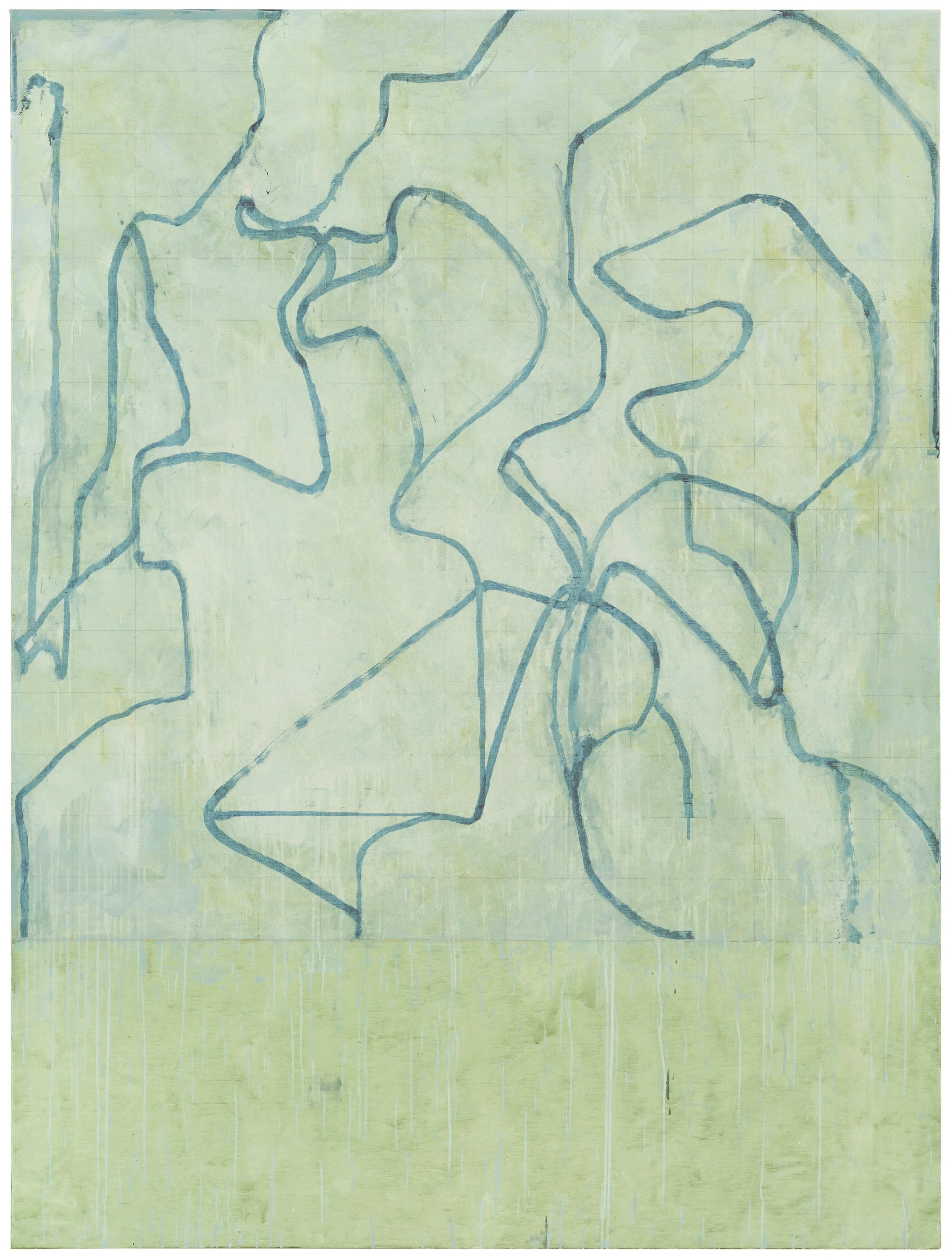
Brice Marden, 2020-21, oil and graphite on linen, 96 x 72inches (243.8 x 182.9cm). Artwork © 2026 Estate of Brice Marden/Artists Rights Society (ARS), New York. Photo by Bill Jacobson Studio, image courtesy of Gagosian.
Looking ahead, what are underappreciated skills or qualities necessary to thrive in this industry?
Hard work and thoughtfulness.
Are there upcoming projects you wish to share?
We have a very exciting milestone coming up. Later this year, we will publish our 700th book Brice Marden Catalogue Raisonné of Paintings, which represents the most definitive and comprehensive study of the artist’s painting oeuvre to date.
For more information about Gagosian’s programmes and publications, click here.