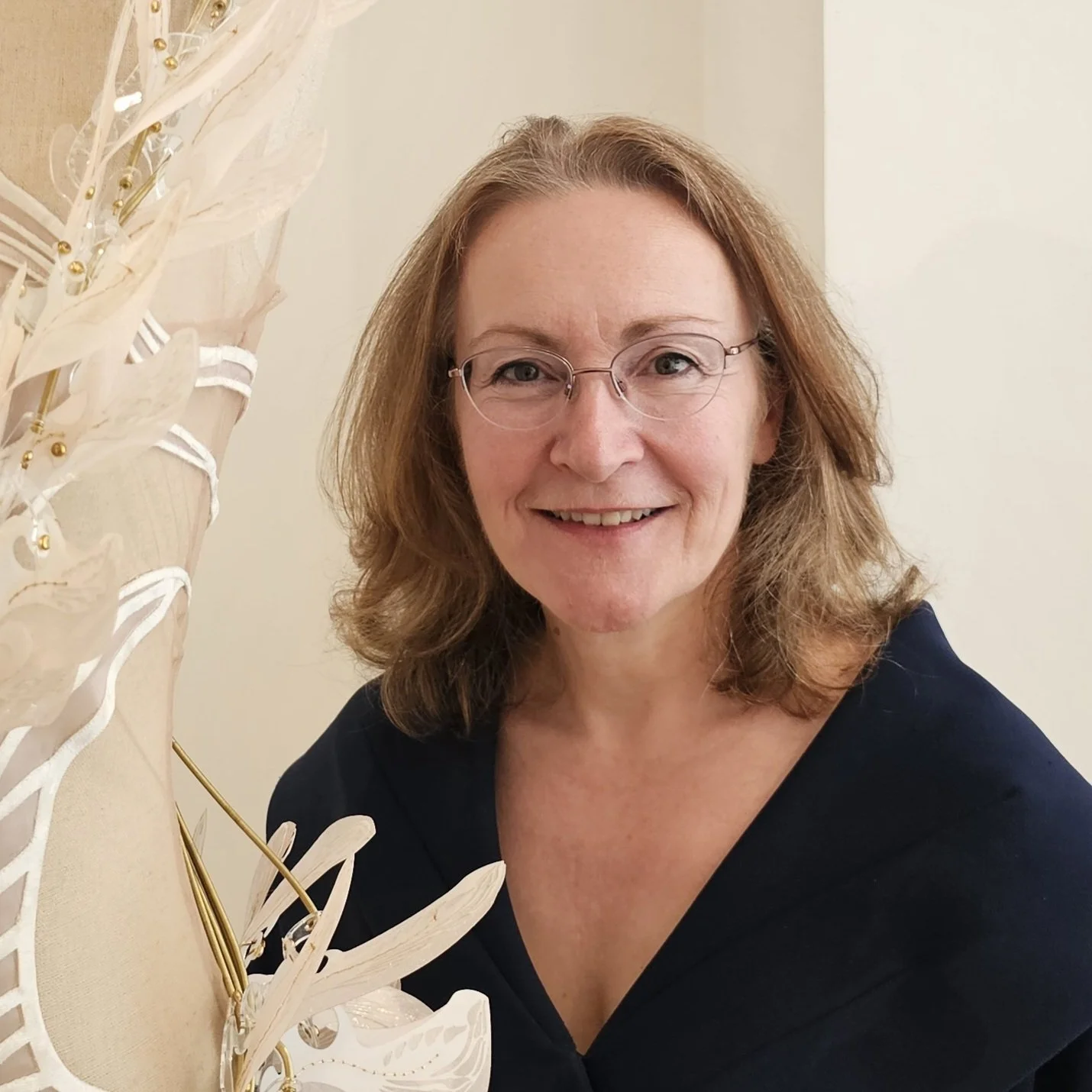
Tanya Amador and Sofia Coombe
Founders of Art World Database (AWDB)
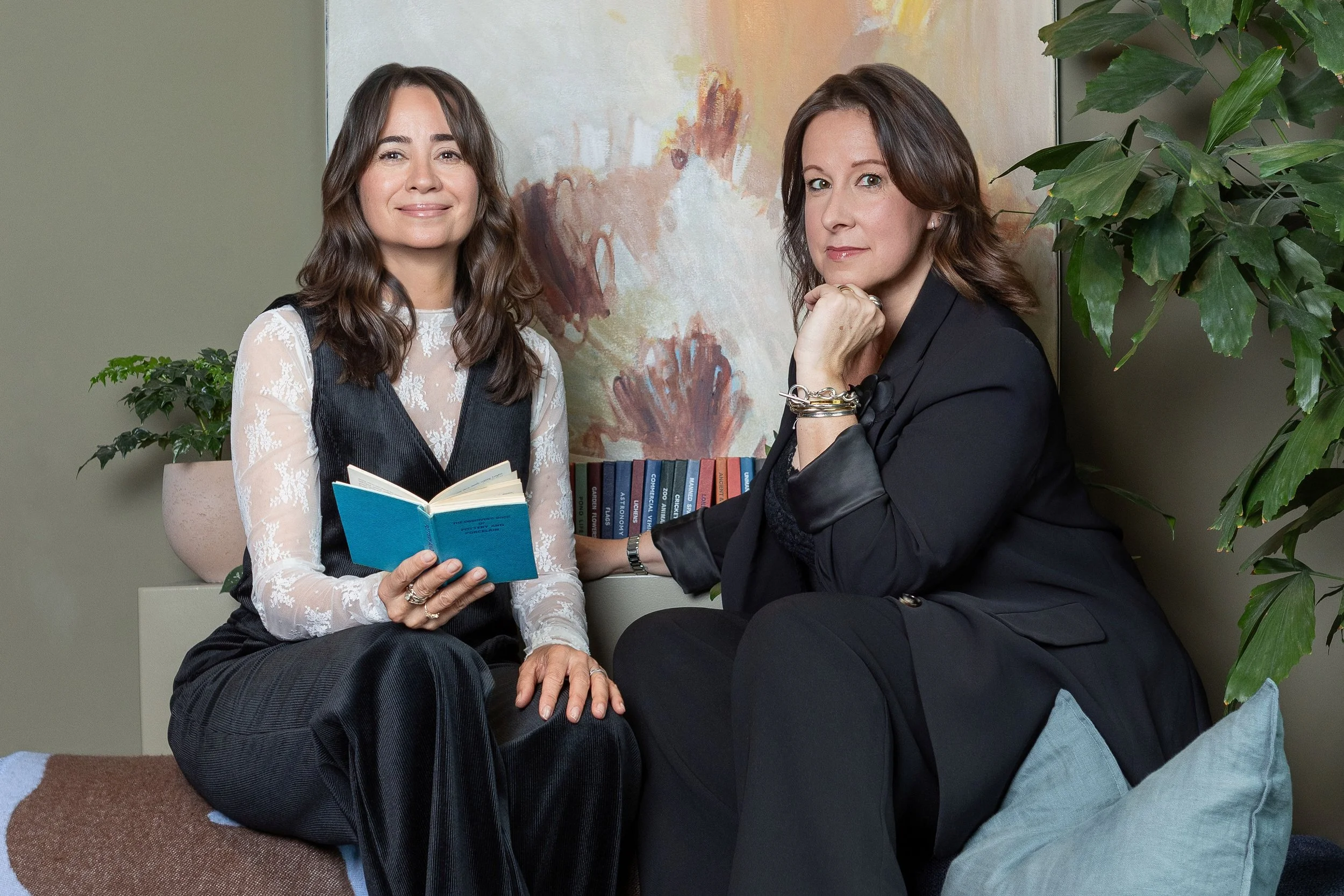
AWDB founders Tanya Amador and Sofia Coombe, London, 2026. Image courtesy of Studio Mila. All Rights Reserved.
In 2018, while studying in the same postgraduate programme at Goldsmith’s, London through LASALLE College of the Arts in Singapore, Sofia Coombe and Tanya Michele Amador kept encountering the same obstacle: the information they needed existed, but rarely in one place. Artist biographies sat on gallery websites. Exhibition histories were scattered across institutional archives. Critical writing was often buried in specialist publications. Researching Southeast Asian contemporary art meant assembling a picture from fragments.
The gap was evident, but it also pointed to a wider issue in how the region’s art has been recorded and interpreted. Artists from Southeast Asia were appearing more frequently in international exhibitions and biennials, yet their practices were often folded into broader categories of “Asian art”, leaving less room for the specific histories and contexts that shaped them. “This fragmentation was the starting point for the project. We asked ourselves how we could bring it all together, on one user-friendly platform, and present a space to support the artists and art organisations at the same time,” says Amador. In 2022, after more than 20 years in the industry, the two founded Peruke Projects; a London-based art consultancy presenting curatorial projects. From there they launched the online platform Art World Database (AWDB).

AWDB website, artist biography for Zulkifli Yusoff. Image courtesy of AWDB.
Coombe and Amador’s starting point was verification and organisation, rather than authorship. Much of the material in AWDB’s database had already been published by artists, galleries, media outlets, and institutions; their role was to bring it together and make it easier to locate. As the platform developed, that process revealed another need: research and writing that could examine the questions left unanswered by existing records. AWDB’s commissioned features, interviews and editorial projects grew from that gap.
The creation of a new glossary of art terms followed the same logic: where existing resources lacked the language to describe certain histories and practices, Coombe and Amador developed a different framework. They initially looked to established art-historical resources, including Tate’s glossary, as a reference point, and found that many existing definitions did not account for Southeast Asian histories, movements, or artistic practices, instead viewing them through a Western lens. Rather than simply adapting those terms, they rewrote entries through a regional perspective and introduced language for concepts that had been overlooked — expanding the vocabulary available for discussing the region’s contemporary art.
The founders’ relocation from Singapore to London has widened AWDB’s view of Southeast Asia’s artistic networks. Working from a city where international institutions, galleries, and diasporic communities intersect brought the relationship between artists working within the region and those whose practices continue elsewhere into sharper focus. The platform has increasingly documented this wider geography, following artists whose work remains connected to Southeast Asian histories across different locations.

AWDB website, shortlisted events for 2026. Image courtesy of AWDB.
The event listings have become AWDB’s most-visited page of the site, and the founders have continued refining how it is built and maintained. The section tracks exhibitions and programmes featuring Southeast Asian artists across countries, creating a record of activity that might otherwise disappear once individual exhibitions close or announcements move out of view. It offers a broader picture of how the region’s contemporary art circulates internationally.
While AWDB remains focused on Southeast Asia, Coombe and Amador see the model as adaptable to other regions where artists, histories, and institutions have been documented unevenly. Coombe says, “We always envisioned scaling the database worldwide with a primary focus on underrepresented regions. Eventually, the plan is to launch a subscription model that will allow us to continue expanding our content offerings and provide the most comprehensive online resource for global art.”
Archives shape which artists, movements and ideas remain available for future research. Four years on, AWDB has become part of that process for Southeast Asian contemporary art — creating a structure through which the region can be more consistently studied and understood within wider art-historical conversations.
For more information on AWDB, click here.