Trend Report: Kuala Lumpur Art Spaces That Engage with Their Neighbourhoods
RKFA Kuala Lumpur, Pak Peng Arcade and UR-MU
Recent efforts in Kuala Lumpur seek to blend art into urban spaces and create novel experiences for art lovers. In this trend report, we look at three case studies to find out more about what has been driving this shift in the city’s art landscape: Richard Koh Fine Art Kuala Lumpur’s concept, Pak Peng Arcade: Speculative Spaces & Temporality organised by The Zhongshan Building and presented as part of KL Festival 2026, and Urban Museum Kuala Lumpur, or UR-MU. These spaces are linked by their shared approaches to integrating art initiatives within the neighbourhood, as well as being embedded within mixed-used buildings.

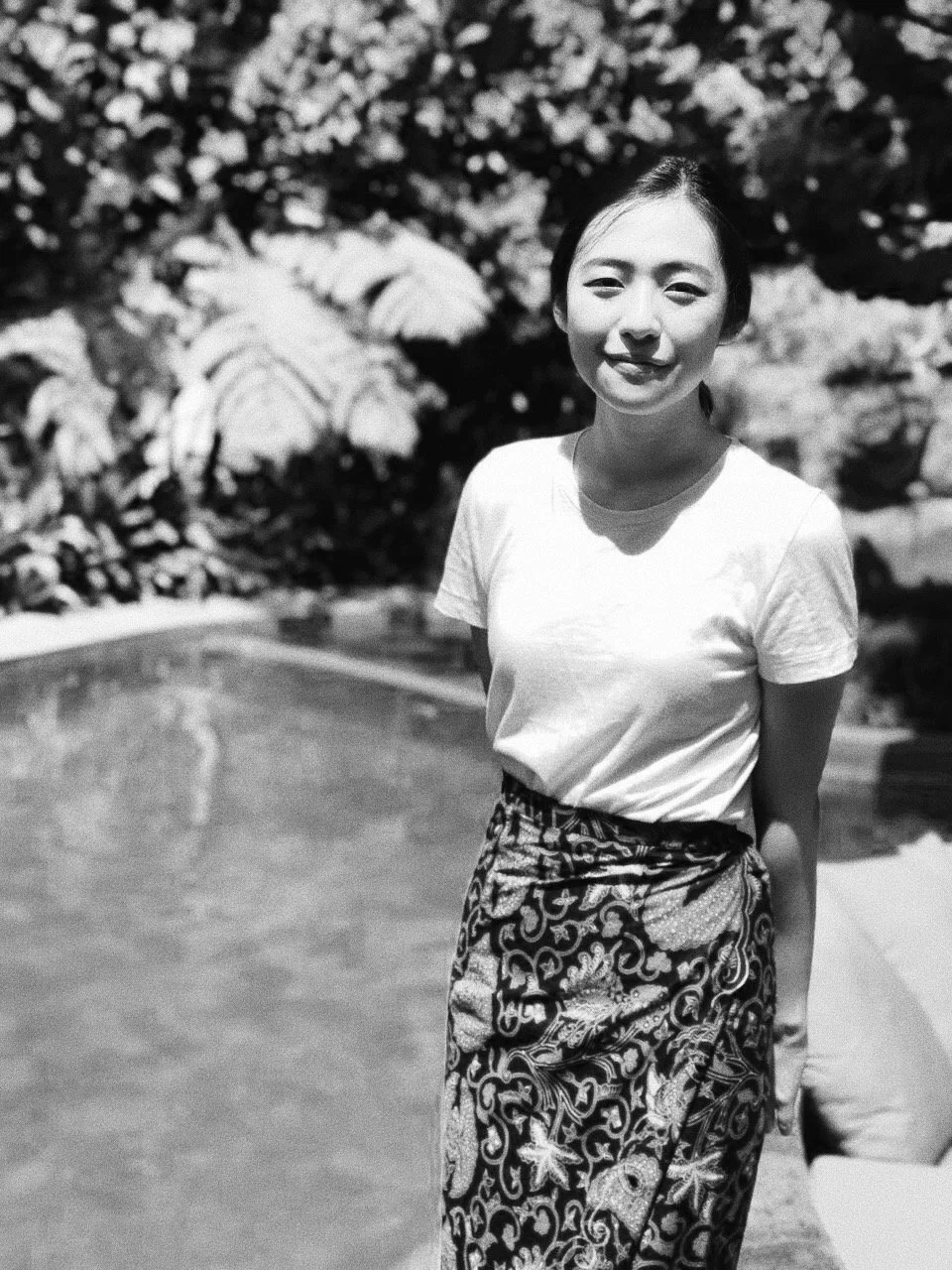
Justin Lim, Paintings for the Observer and the Observed, 2026, exhibition view at RKFA Kuala Lumpur’s “Window Gallery” concept. Image courtesy of Richard Koh Fine Art.
Breaking down barriers to entry and cultivating meaningful audience engagement have been the driving forces for contemporary art platforms to reassess how they exhibit works. The trifecta of scale, architecture and neighbourhoods can determine visitor participation through its encoded logics and vernaculars. For instance, RKFA Kuala Lumpur in A Place Where (APW) Bangsar, was born out of a desire to rethink how the gallery exhibits art, and favouring a more intimate format. APW Bangsar is branded as a “contemporary lifestyle campus featuring workspace, F&B, retail, event venues and parks”. Founder Richard Koh speaks of how RKFA interacts with the campus. He says, “With fewer works on view at any given time, the space asks audiences to spend more time with individual pieces and to engage more closely with an artist's practice.” He adds, “We expect the presentations to feel specific to the unhurried movements of this place, not just in subject matter but in atmosphere.” Fittingly, the inaugural exhibition Paintings for the observer and observed by Justin Lim, running from 12 June to 18 July, is an invitation for audiences to slow down and return to encounter new details.
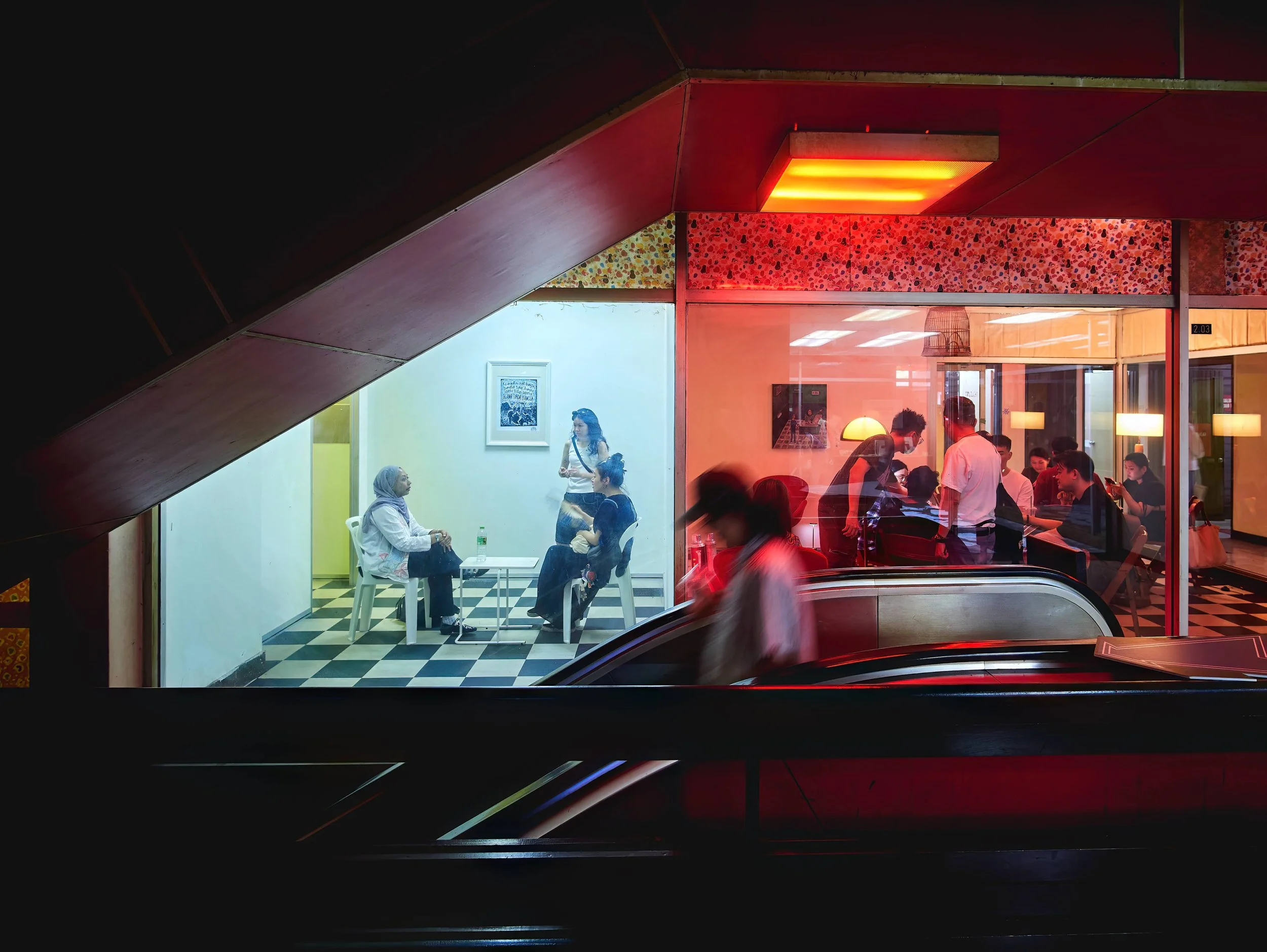
Pak Peng Arcade. Image courtesy of The Back Room.
Similarly, The Zhongshan Building has turned its efforts towards collaborative activations that interrogate the urban fabric. Pak Peng Arcade was a series of artistic programmes held at Bangunan Pak Peng, a forgotten building in Chinatown, over the weekend of 16 and 17 May 2026. Liza Ho, co-founder of The Zhongshan Building, says, “We wanted to explore alternative ways of using space in Kuala Lumpur, and to reimagine existing places without erasing their original character, histories or communities.” The team was drawn to the idiosyncrasies of Bangunan Pak Peng as a fitting locale for their inquiries. “In many ways, the building itself became our primary collaborator, and we revised the layout numerous times, carefully considering sightlines, sound bleed, visitor flow, moments of encounter, and the dialogue between different activities,” she remarks. Through its deep integration with the building’s extant vocabularies, the programme showed how underutilised spaces can become sites of cultural exchange and give visibility to existing businesses and communities.

Dato’ Sri Bernard Chandran, MYTH Evolution: A Fashion Art Exhibition, 2024, exhibition view at UR-MU @ Toffee. Image courtesy of UR-MU.
Tan Loke Mun, the founder of UR-MU, hopes to inspire greater urban regeneration efforts in the three locations he has chosen for his museum. A strategy Tan has employed is to establish UR-MU within old, central neighbourhoods in the city that are well-connected. This revives historical buildings and rejuvenates the urban landscape, while offering better access. Tan, who is both an architect and art collector, also blends his interests seamlessly within the distinctive offerings of each location. He states, “It is important for us that we try to maintain the character and uniqueness of each existing building and neighbourhood in our presentations.” In this way, visitors are treated to a multi-faceted experience at each site.

Justin Lim, Paintings for the Observer and the Observed, 2026, exhibition view at RKFA Kuala Lumpur’s “Window Gallery” concept. Image courtesy of Richard Koh Fine Art.
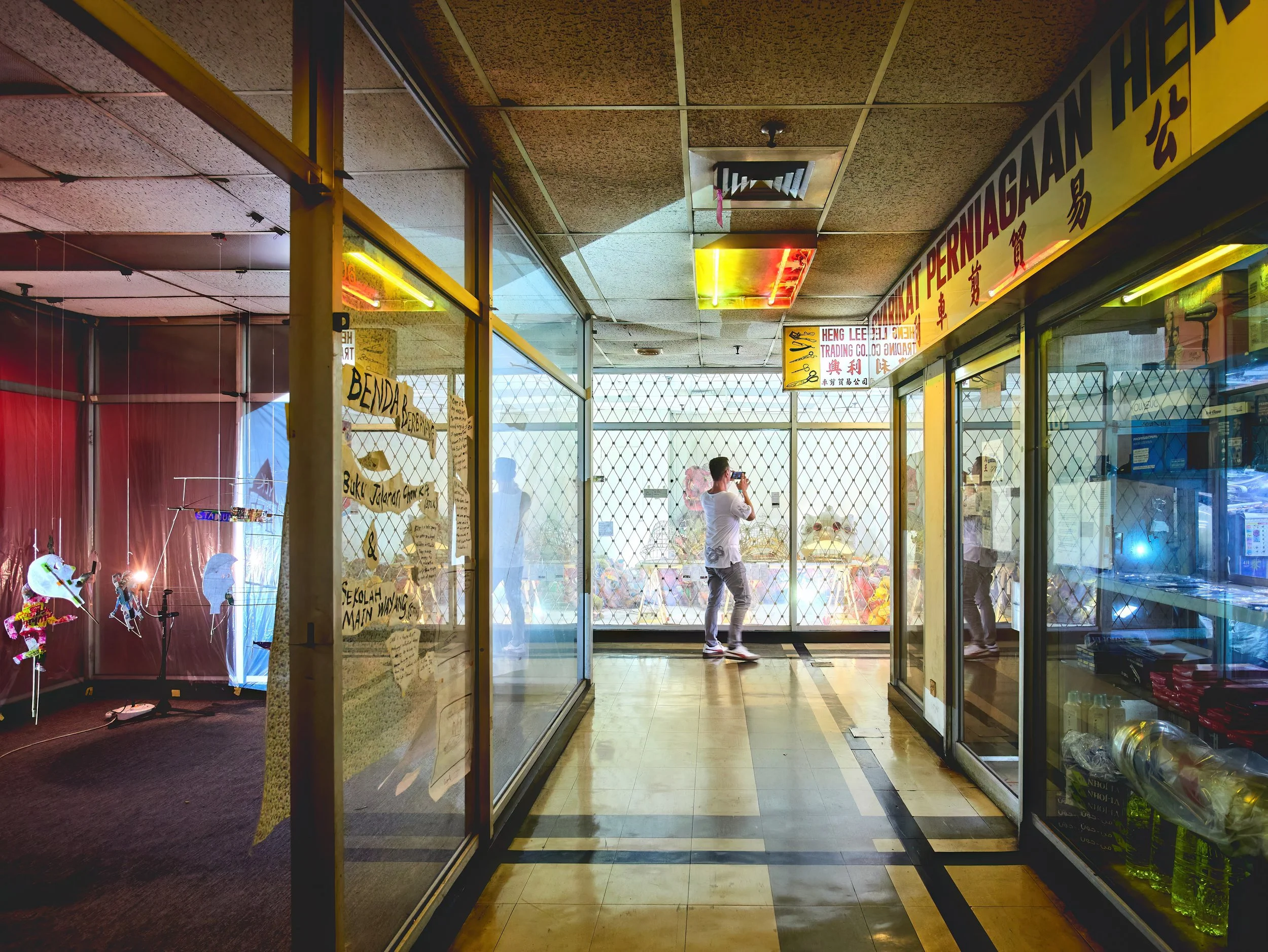
Pak Peng Arcade. Image courtesy of The Back Room.
Such community-embedded models are consistent with the various organisations’ curatorial strategies. Koh cites the curatorial rigour that the new space demands. He explains, “The intimate nature of The Window Gallery pushes us to think carefully about which works, and how many, are needed to offer a meaningful and concentrated look into an artist's practice. We find these constraints productive.” The limits the space poses become motivation for engaging with the artists’ practices in a more focused manner.
Similarly, Pak Peng Arcade was aligned with The Zhongshan Building’s ambitions of creating platforms for experimentation and exchanges. Ho reflects, “One of the key lessons from Pak Peng Arcade was the value of working across disciplines, which was crucial to the project's success. Moving forward, we would like to continue with this sort of collaborative practice.” By partnering with The Instant Café Theatre Company and the businesses within Bangunan Pak Peng, the project has paved a new way of gathering communities that has enriched the team’s vision for the future. “For us, the most exciting outcome of Pak Peng Arcade was not the event itself, but the possibilities it brings,” says Ho.
One of Tan’s aspirations is for similar institutions to emerge and add to the city’s artistic offerings. “The addition of UR-MU to the Kuala Lumpur art scene is in the hopes that we can make the city a great art and culture destination. For now, we are an important training ground and incubator for art and curatorial talent.” To this end, UR-MU is providing training for staff to build up their knowledge on contemporary art and artist practices.
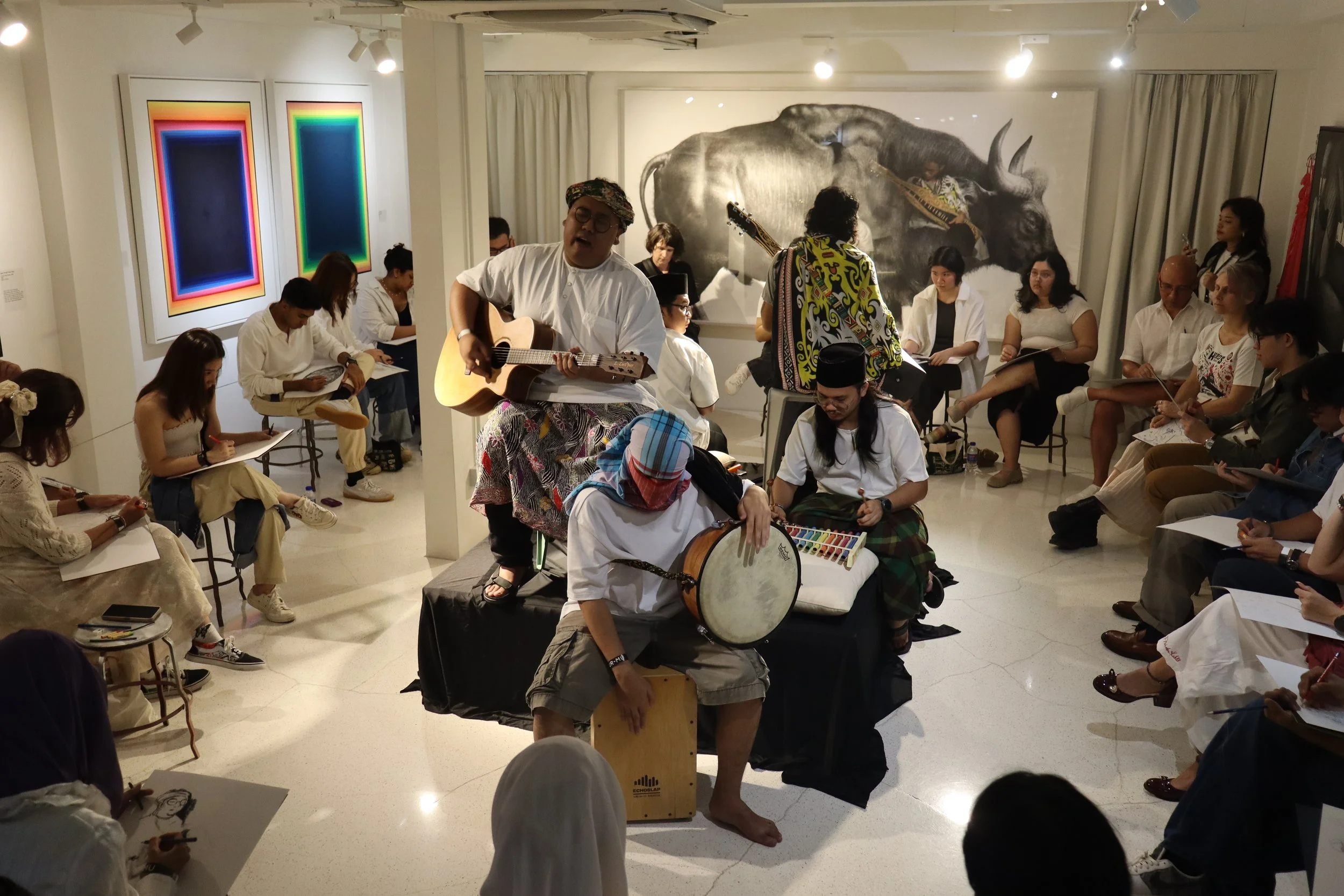
Still Live (1st Edition) programme at UR-MU @ Bukit Bintang. Image courtesy of UR-MU.
Lastly, diversifying revenue streams is crucial to building resilient art businesses. Based on Tan’s experience as a veteran architect, he concludes that mixed-used spaces are the best way forward for art hubs and urban regeneration ventures. As such, he has introduced multifaceted offerings at The Toffee and +N locations, where audiences can look forward to dynamic encounters with art through food and interdisciplinary programmes.
The trend will continue. UR-MU will open a new addition to its existing Bukit Bintang location, called the NX. Meanwhile, RKFA anticipates changes to the way their clients experience art and is looking forward to experimenting further. Ho will build on the foundation they have set down in Pak Peng Arcade. In the months ahead, it will be worth observing how the Kuala Lumpur art scene continues to engage with both mature and new art audiences in alternative ways.