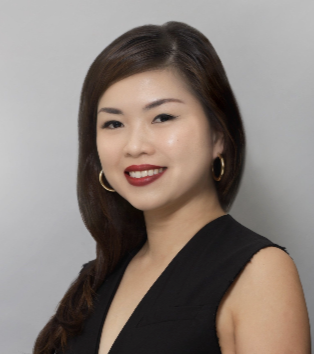
Conversation with Cristina Kuok
POLY MGM MUSEUM and MGM Discoveries Art Prize
Cristina Kuok is Senior Vice President of Arts and Cultural Development, MGM. Under her care, POLY MGM MUSEUM opened within MGM MACAU in November 2024. Its second exhibition, Silk Roads Beyond Borders, is divided into four thematic chapters, featuring over 200 artifacts to illustrate trades and other interactions that have taken place along the Silk Road, along with contemporary artworks.
We speak with Cristina about the importance of arts and culture to MGM MACAU and MGM COTAI, the MGM Discoveries Art Prize in collaboration with Art Basel Hong Kong, and nurturing the next generation of artists.
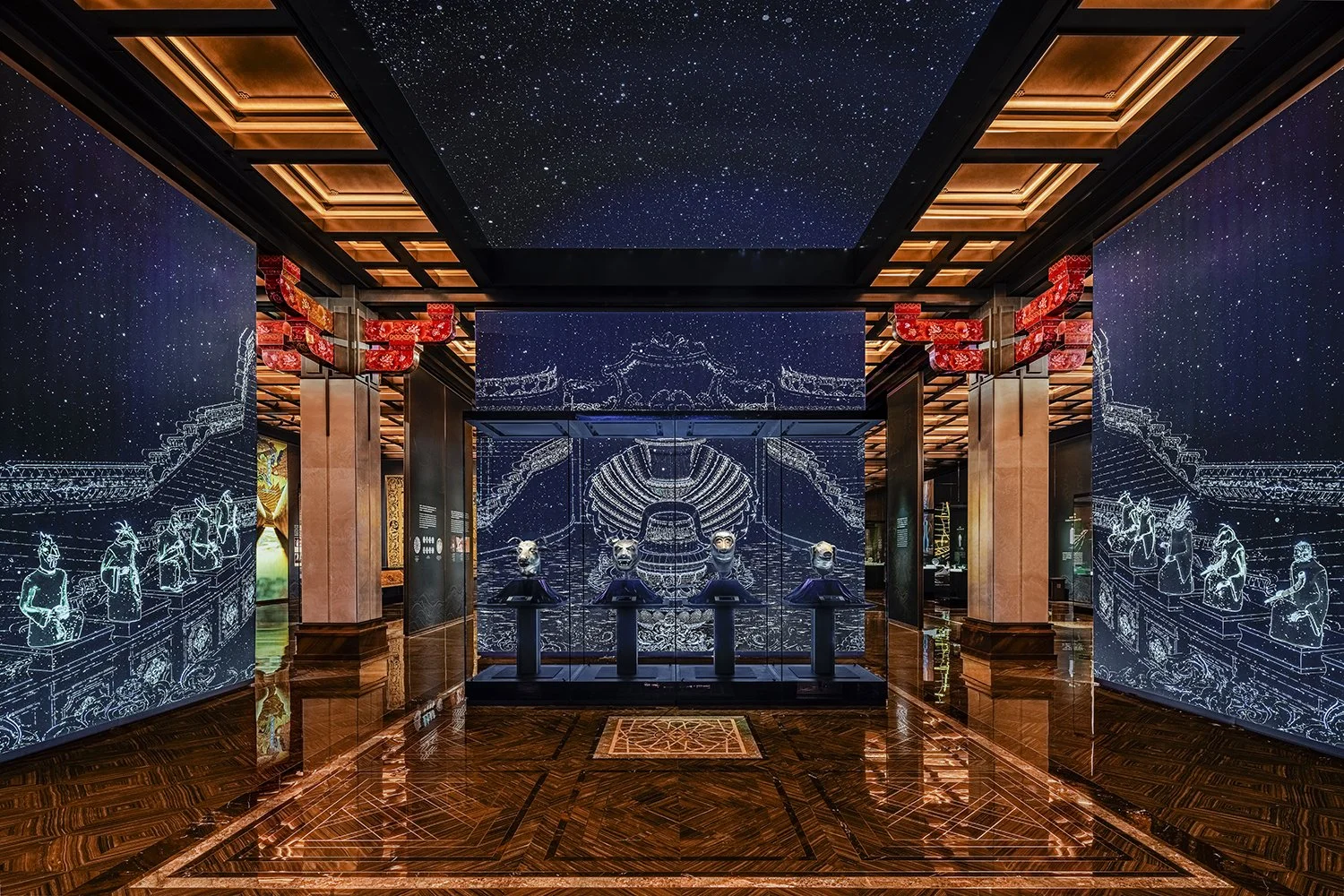
POLY MGM MUSEUM. Image courtesy of MGM.
Art and culture have been part of the MGM MACAU and MGM COTAI DNA since their founding. Could you tell us more?
We opened MGM MACAU in 2007, and we are celebrating our 19th anniversary this year. From the beginning, we wanted arts and culture to be a part of the MGM world. This is evident from the main lobby with a work by Dale Chihuly. We also put up a dedicated space, the POLY MGM MUSEUM to put up exhibitions. I believe we were the first hotel in Macau to do so, and we wanted people to have good memories of Macau when they came to visit. At the same time, we wanted them to learn interesting things. The exhibitions we have put up are of various kinds. The first exhibition was of a single painting, The Birth of Venus by Sandro Botticelli, and it was very successful. I believe we welcomed 90,000 visitors over a three-month period. We came up with a lot of stories around the exhibition, and showcased it in the context of the Renaissance, which was an important era for trading. That was a connection to Macau, which was a trading spot along the maritime circle. So arts and culture have very much been an integral part of MGM MACAU from the start.
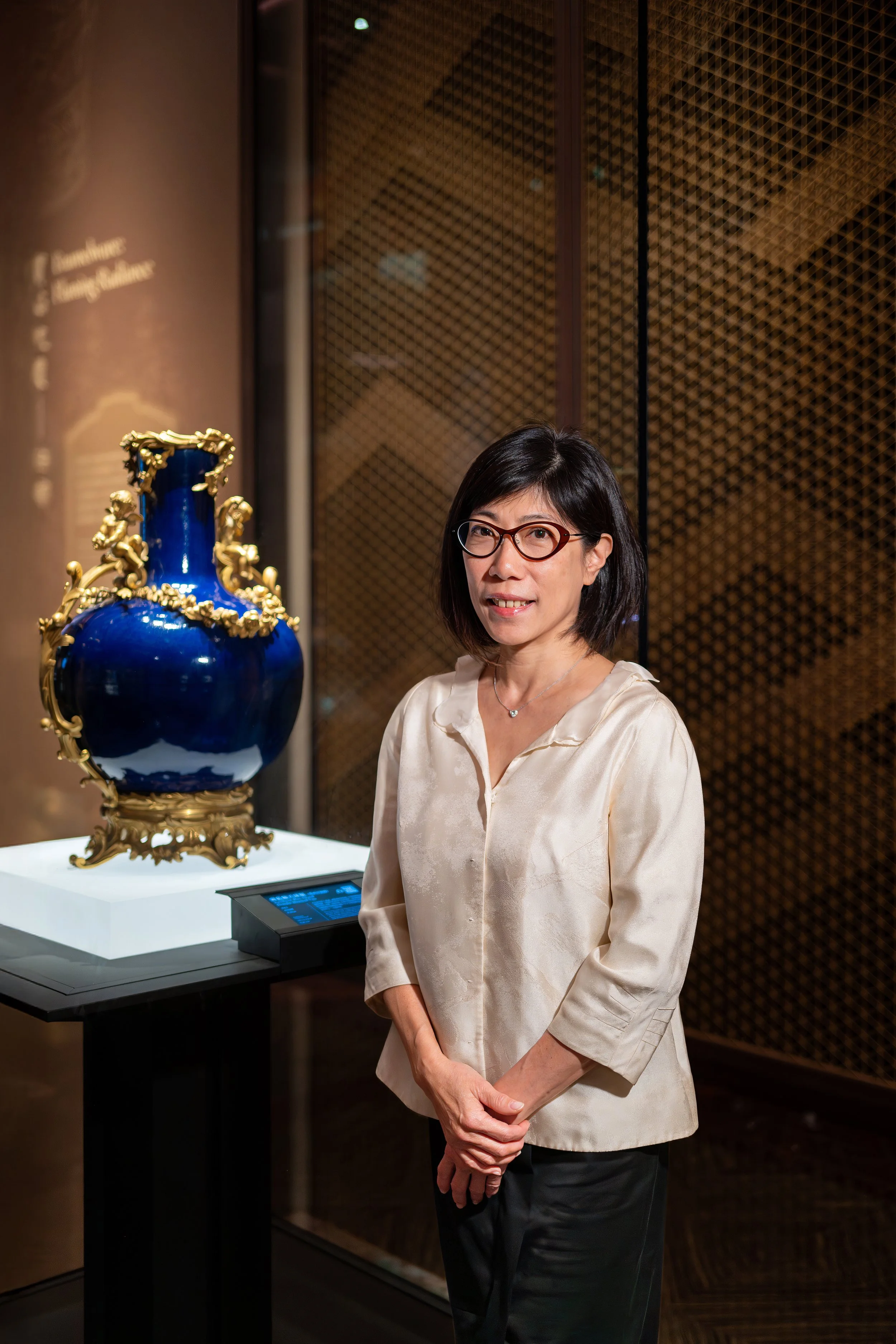
Cristina Kuok. Image courtesy of MGM.
MGM COTAI has a permanent art collection of more than 300 artworks. Could you talk about your acquisition strategy? What are the criteria for the works that make their way into the collection?
We opened MGM COTAI much later, in 2018. It has bigger grounds, and more rooms. It incorporates a lot of advanced technology, and alongside that, we wanted art to become something that is part of the environment of the hotel. We wanted guests staying with us to be immersed in art and to enjoy it. We started to acquire works by Chinese artists. They are generally young Chinese artists, or artists who are up and coming, because we want people to understand and appreciate that there are so many talented Chinese artists in the world. It does not matter if the Chinese artist is from Singapore, Hong Kong, Macau, Beijing, Shanghai, Taiwan or elsewhere, because our goal is to bring China to the world through our visitors.
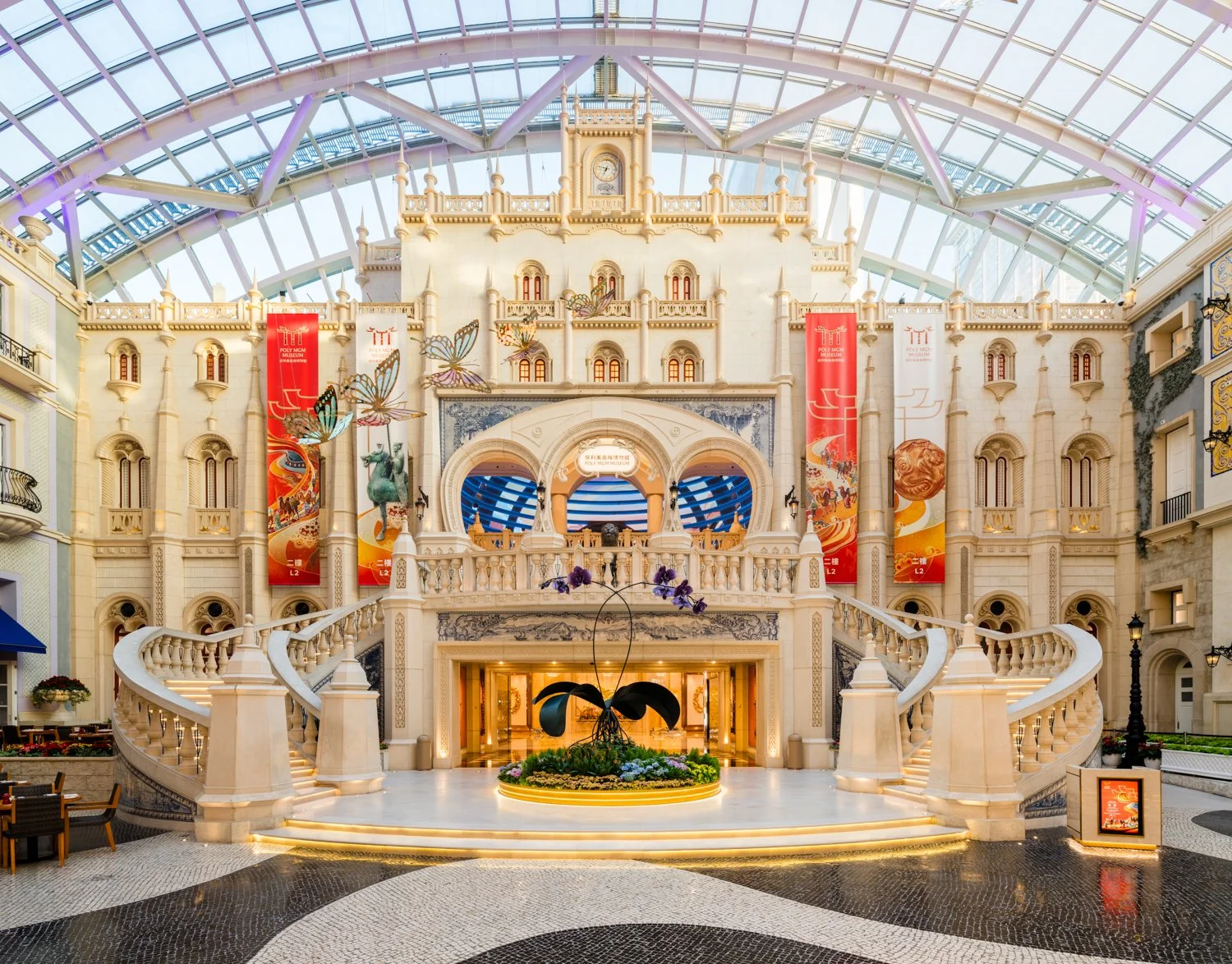
POLY MGM MUSEUM. Image courtesy of MGM.
Tell me more about the Intangible Cultural Heritage Conversation Series that took place from June to August 2025. What were some of the key takeaways from the conversations? Will this be an annual event?
We leveraged on the relationships we had with the 24 museums we loaned items from to invite experts to come talk. They came from Chinese cities as well as Macau. At the same time, the reason we came up with the intangible cultural heritage is because there is actually a lot about intangible cultural heritage that people are not too familiar with. There were audiences who specifically attended the talks, and also museum visitors who stopped by to listen. It was great. We are keen to sustain the programming, but may explore a topic different from intangible cultural heritage for the next round, depending on the exhibition that we have in the museum.
What are the highlights for you from the exhibition Silk Roads Beyond Borders?
My personal favourites are the Blooming Tree-Form Gold Ornament from Liaoning Provincial Museum and the Bronze Money Tree, Eastern Han Dynasty from Minyang Museum. There is a lot of meaning behind these works, and the digital team built content around the artifacts to complement them. By enlarging them, we can see the small details that are not visible to the naked eye, including where there is oxidisation. We bring the symbols to life through digital means.
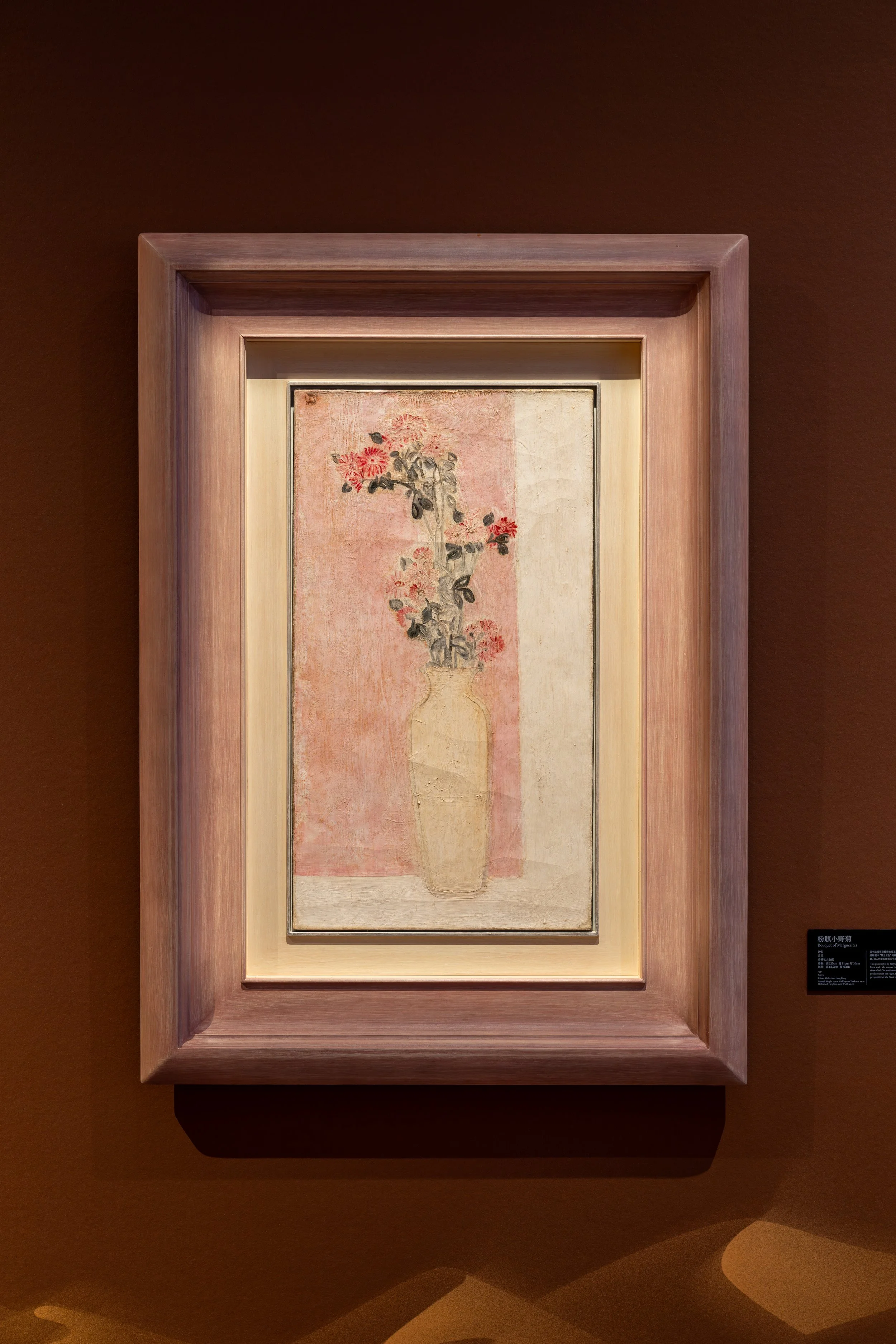
Sanyu, Bouquet de Marguerites (Bouquet of Marguerites), 1931, oil on canvas, 81.2 x 45cm. Image courtesy of MGM.
Digital content seems to form a big part of the exhibition. Could you speak about the virtual reality (VR) component about Marco Polo’s life and work that was recently introduced?
The East meets West narrative is an important premise for what we do at the museum, and Marco Polo had travelled from Italy to China, which is what we wanted to showcase through this VR experience at the museum. Similarly, we also like to juxtapose old artefacts with contemporary artworks, because the latter shows how the artists have been influenced by the former. For example, with the Zao Wou-Ki and Sanyu works at the museum, we can see how because they travelled at a young age to Europe, they learnt about Western culture, which impacted the way they approached their paintings.
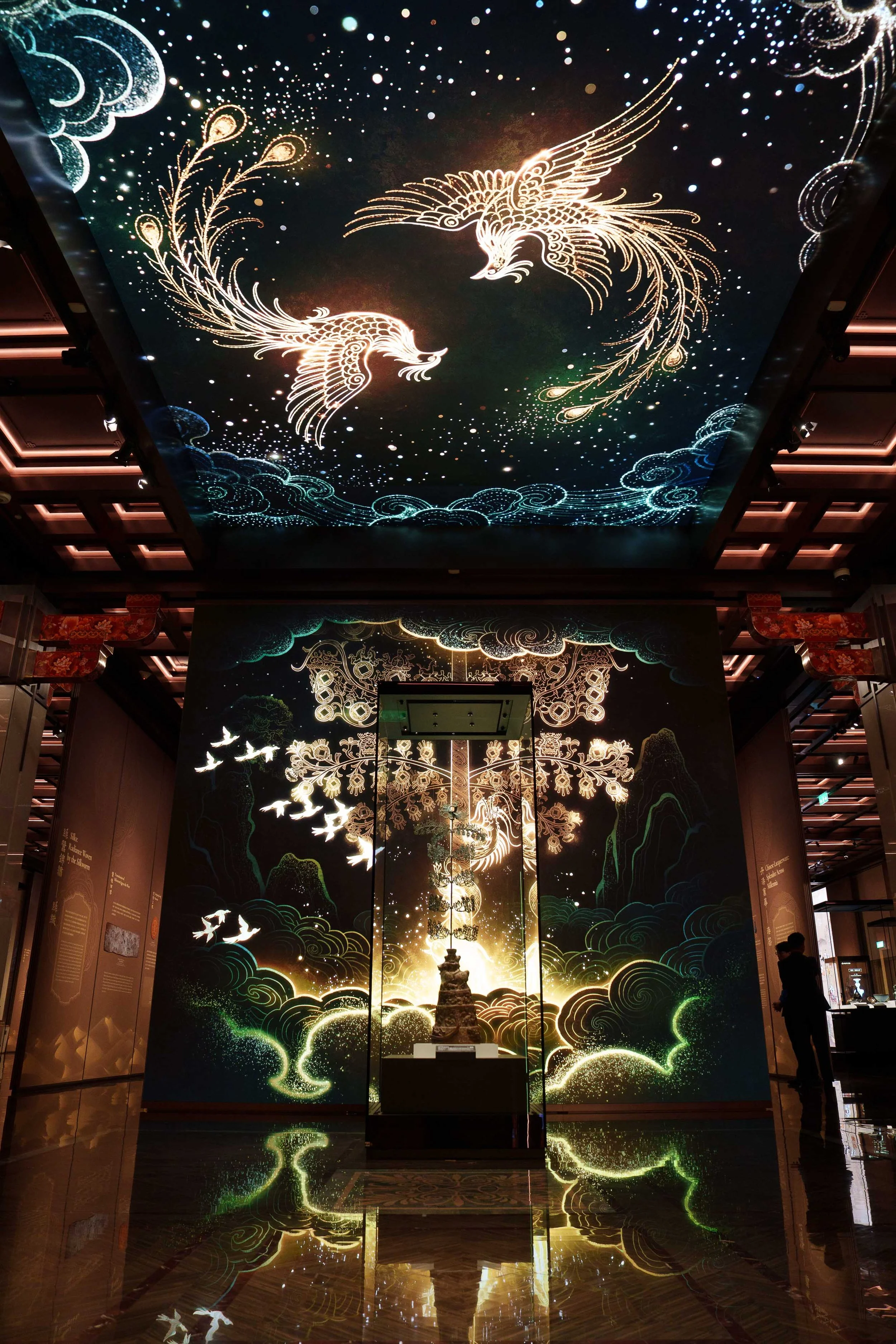
Inside POLY MGM MUSEUM. Image courtesy of MGM.
What was the brief given to the curator Su Dan, the Deputy Director of the China National Arts & Crafts Museum and the China Intangible Cultural Heritage Museum, for the exhibition?
Su Dan is an experienced curator and he already understood from the beginning what we were looking for. We worked with him to inject Macau culture, which he was less familiar with, into the exhibition. Putting the artefacts with contemporary art, we thought it would be a good way for the younger generation to appreciate what has come before, and what is available now.
There are 24 partner museums and art institutions for this exhibition. What do these partnerships entail? Is it for loans or more?
Aside from loans for the current exhibition, and participating in the series of talks, we are thinking about bringing more of their collections into our museum in the future.
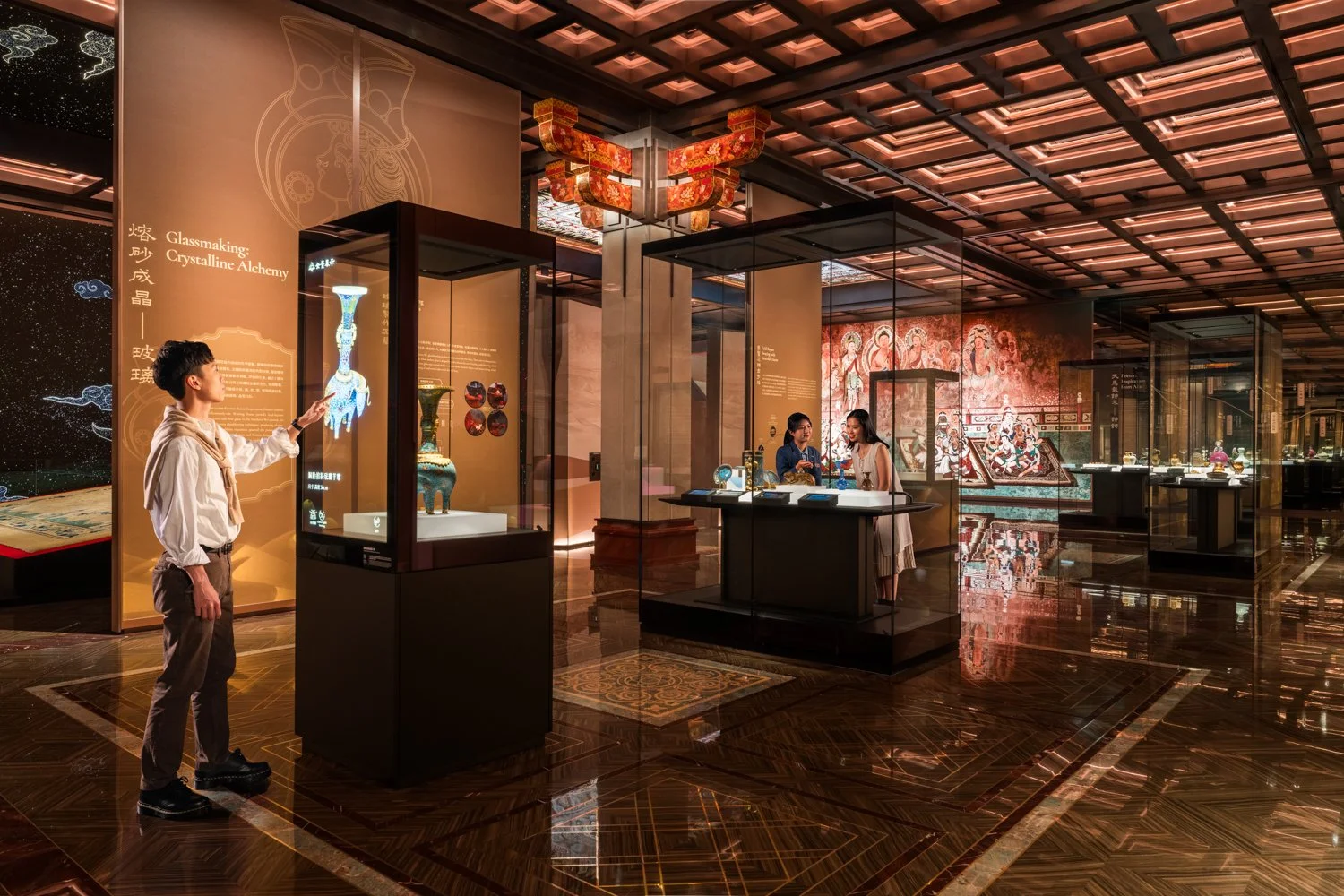
Visitors at POLY MGM MUSEUM. Image courtesy of MGM.
What has reception been like for the exhibition? And how do exhibitions like this contribute to the wider arts and cultural landscape in Macau?
The reception has been very good. I think a lot of people have been surprised that we put a museum in the hotel. We have received compliments from visitors, and even if they do not understand the history, they have a good experience in the museum, facilitated by digital capabilities. I think we have introduced a new genre, and because we are not a city or state museum, we have more of a free hand to experiment and introduce some unique out-of-the-box ideas to our tourists and other audiences. At the same time, because NPC (non-player character) gaming is so popular, we have also engaged with performers who don period costumes and bring the story-telling to life, and further enhance the museum experience.
How did the MGM Discoveries Art Prize, which launched in 2025, come about? Why is it important to partner with Art Basel Hong Kong?
We started our partnership with Art Basel Hong Kong back in 2017, but it was a different kind of partnership. The MGM Discoveries Art Prize is motivated by our wish to support emerging artists. We want to build a sustainable relationship with the next generation of artists. This is the same approach as we have taken to build the MGM COTAI collection, but more globally, so that we can nurture them while allowing them to learn and know more about Macau and more generally Asia, if they may not be from this part of the world.
In your opinion, how does this year’s prize build on last year's momentum?
There are more participants this year, and we are also getting more excited about the opportunities to bring artists and their galleries to Macau, to explore, and to see what could come of this exchange.
I would love to hear more about your plans for the rest of the year. Could you share them?
We are currently working on our third exhibition, which still revolves around the Silk Road. That is our starting point. We are also working on more programmes, including with the Macau education bureau. For example, we are training secondary school students as docents on weekends, and primary school students as docents over the summer. We want them to have fun while gaining an understanding of history and culture. We hope to inspire them to work in arts and culture in the future.
This article is presented in partnership with MGM.
More information on MGM MACAU and MGM COTAI here.